Natural Pest Control Methods That Actually Work
Garden Soap Team
· Updated March 7, 2026 · 8 min read
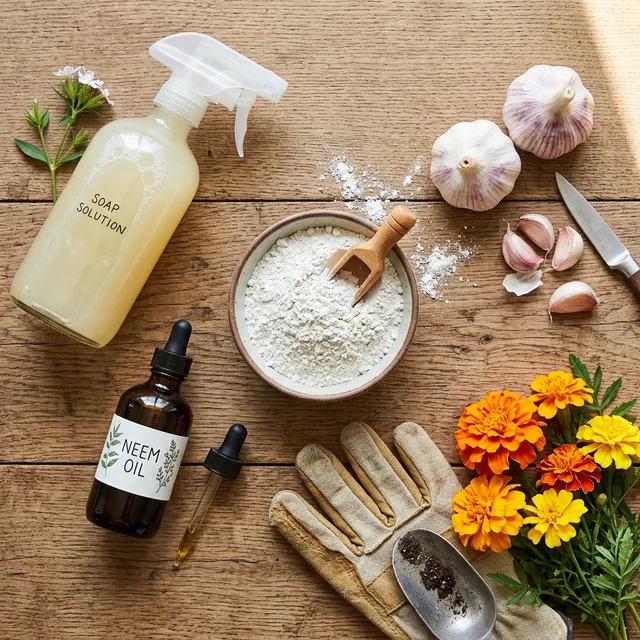
Why Is the World Switching to Natural Pest Control?
The global pest control market will hit $28.98 billion by 2026, growing at 8.7% annually, and the fastest-growing segment is biological and biorational solutions (The Business Research Company, 2025). In February 2026, the EPA expedited the approval process for biochemical and microbial pesticide registrations, signaling a fundamental regulatory shift toward natural methods (OpenPR, 2026).
Synthetic pesticides solve one problem while creating three more. They kill pests, but they also wipe out ladybugs and lacewings, contaminate soil and groundwater, and breed resistant pest populations requiring ever-stronger chemicals. That cycle has trapped industrial agriculture for decades.
Natural pest control breaks it. Instead of brute-force chemistry, it uses targeted strategies that work with ecosystem dynamics. The pests might not vanish in 24 hours, but your garden’s natural defenses grow stronger over time instead of weaker.
TL;DR: Insecticidal soap kills up to 90% of soft-bodied garden pests on contact (Cornell University, 2025) and handles about 80% of home garden pest problems. Pair it with beneficial insects and companion planting for a complete, chemical-free defense system.
Here’s every method worth your time, ranked by how reliably each one works.
Does Insecticidal Soap Really Kill 90% of Garden Pests?
Cornell University controlled tests demonstrate kill rates of up to 90% of aphids on contact (Cornell University, 2025). A study published in Phytoprotection found that concentrations above 12.50 g/L achieved nearly 100% mortality across all aphid life stages within 24 hours (Phytoprotection/Érudit, 2024). Those aren’t marketing claims. That’s peer-reviewed research.
Made from pure castile soap and water, insecticidal soap kills soft-bodied insects by dissolving their waxy outer coating, causing fatal dehydration within hours. No toxic residue. No soil contamination. No harm to hard-shelled beneficials like ground beetles.
What it kills: Aphids, whiteflies, spider mites, mealybugs, thrips, young caterpillars
The recipe:
- 1 tablespoon pure liquid castile soap (Dr. Bronner’s Unscented is the standard)
- 1 quart distilled water
- Optional: 1 teaspoon neem oil concentrate
Mix gently. Spray directly on pests, both sides of leaves. Reapply every 4-7 days. Our complete guide to making insecticidal soap covers the full process, and the basic castile soap spray recipe gets you started in under five minutes.
Garden Soap Team note: Insecticidal soap handles most soft-bodied pest jobs on its own. The rest usually splits between hand-picking (caterpillars), neem oil (stubborn mites), and Bt spray (cabbage worms). That’s four tools for a growing season. The simplicity is the point.
The one rule you can’t break: Use pure castile soap, never dish soap. Dawn, Ajax, and Palmolive contain synthetic detergents that destroy plant leaves. They’re designed to cut grease on dinner plates. On plants, they strip the protective waxy cuticle, causing dehydration and sunburn.
How Do Beneficial Insects Provide Free Pest Control?
A single ladybug eats 50-60 aphids per day. A praying mantis patrols your garden with the patient precision of a professional exterminator, for free. The commercial biological pest control market is projected to reach $18.85 billion by 2031, growing at 15.1% CAGR (OpenPR, 2025). Even large-scale agriculture is betting on these bugs.
You can buy beneficial insects, but it’s more sustainable to attract them by creating the right habitat.
The key players:
| Predator | Eats | How to Attract |
|---|---|---|
| Ladybugs | Aphids, mites, scale | Dill, fennel, yarrow, dandelions |
| Lacewings | Aphids, thrips, mealybugs, small caterpillars | Coreopsis, cosmos, yarrow |
| Praying mantises | Almost any insect | Tall grasses, shrubs, undisturbed areas |
| Hoverflies | Aphids (larvae stage) | Sweet alyssum, marigolds, coriander |
| Ground beetles | Slugs, caterpillars, grubs | Mulch, ground cover, log piles |
| Parasitic wasps | Caterpillars, aphids, whiteflies | Dill, parsley, clover |
The mistake almost everyone makes: spraying broadly kills beneficials too. Even organic sprays are non-selective on contact. If you see ladybugs, lacewings, or hoverfly larvae actively feeding, don’t spray that area. Let them work. Target your insecticidal soap only to areas where no beneficial predators are visible. This selective approach is what separates amateur pest control from effective pest management.
How to support them: Plant diverse flowers. Leave some “messy” areas, rock piles, dead wood, herbs going to seed. These provide shelter and overwintering habitat. A manicured garden looks great on Instagram. A slightly wild one grows less pest pressure.
What Physical Methods Work Without Any Sprays?
Sometimes the simplest fixes are the best ones. No products, no applications, just smart gardening practices.
Hand-Picking
Sounds primitive. Works brilliantly. For large insects like tomato hornworms, Japanese beetles, and squash bugs, hand-picking is faster and more effective than any spray. Drop collected pests into a bucket of soapy water.
Check plants early morning when pests are sluggish. Takes five to ten minutes daily during peak season. That’s less time than mixing and applying a spray.
Row Covers
Lightweight fabric barriers physically prevent insects from reaching your plants. They’re particularly valuable during vulnerable early growth stages when seedlings can’t survive even moderate pest pressure.
Best for: Squash vine borers, cabbage moths, flea beetles
Drape over hoops or directly on plants. Remove when flowering starts, unless you plan to hand-pollinate underneath.
Water Spray
A strong blast from a garden hose knocks aphids, spider mites, and whiteflies right off your plants. It won’t kill them directly, but many dislodged aphids, especially older, wingless ones, can’t climb back.
Best for early-stage infestations on sturdy plants. Not for delicate seedlings.
Which Spray-Based Natural Controls Are Worth Using?
For active infestations that prevention couldn’t stop, these targeted sprays handle the problem without scorched-earth chemistry.
Neem Oil
Pressed from neem tree seeds, neem oil disrupts insect feeding, growth, and reproduction simultaneously through azadirachtin. Unlike insecticidal soap, neem provides several days of residual repellent effect after application.
Best for: Aphids, whiteflies, beetles, caterpillars, fungus gnats, powdery mildew
Recipe: 1 teaspoon cold-pressed neem oil + 1 teaspoon castile soap + 1 quart warm water. Full instructions in our neem oil soap spray recipe.
Apply evening only. Neem burns leaves in direct sunlight and harms bees on wet contact (UC ANR, 2025). Once dried, it’s safe for pollinators.
Garlic-Pepper Spray
A potent repellent rather than a contact killer. Capsaicin irritates pests on contact, while garlic’s sulfur compounds mask the scent signals pests use to find your plants.
Best for: Repelling aphids, beetles, caterpillars, deer, rabbits
Our garlic pepper soap spray recipe has the precise measurements.
Diatomaceous Earth
Food-grade fossilized algae powder with microscopically sharp edges. Crawling insects cross it, their exoskeletons get slashed, and they dehydrate within 48 hours. No chemicals involved.
Best for: Slugs, ants, earwigs, beetles, any crawling insect
Critical limitation: Becomes useless when wet. Reapply after every rain.
Bacillus thuringiensis (Bt)
A naturally occurring soil bacterium producing proteins specifically toxic to caterpillars. Nothing else. Ladybugs, bees, earthworms, and birds are completely unaffected. It’s OMRI-certified for organic gardens.
Best for: Tomato hornworms, cabbage worms, corn earworms
Apply when caterpillars are small. Large caterpillars are significantly more resistant.
How Do You Control Pests Naturally Indoors?
Houseplant Pests
The most common indoor plant invaders, fungus gnats, spider mites, mealybugs, and scale, respond well to the same soap-based approach:
- Isolate the affected plant immediately
- Spray with half-strength insecticidal soap (1/2 tablespoon per quart)
- Wipe leaves with a damp cloth to remove visible pests
- Let the top inch of soil dry between waterings (starves fungus gnat larvae)
- Repeat weekly for 3-4 weeks
That isolation step isn’t optional. I skipped it once with a mealybug-infested jade plant. Within two weeks, seven other plants on the same shelf were infected. Quarantine first, treat second.
Household Pests
| Pest | Natural Control |
|---|---|
| Ants | Seal entry points + diatomaceous earth along trails + peppermint oil |
| Fruit flies | Apple cider vinegar trap (vinegar + drop of dish soap in a cup) |
| Spiders | Peppermint oil spray on windowsills and corners |
| Pantry moths | Bay leaves in cabinets + freeze dry goods before storing |
| Mosquitoes indoors | Bug-repelling plants + eliminate standing water |
What Does a Complete Natural Pest Control System Look Like?
The most effective approach layers multiple methods. Nobody who’s serious about pest management relies on a single product, natural or synthetic. Professionals call this Integrated Pest Management (IPM):
Layer 1, Prevention (ongoing)
- Healthy soil, proper spacing, companion planting
- Bug-repelling plants at borders and entry points
- Habitat for beneficial insects
- Crop rotation annually
Layer 2, Monitoring (weekly)
- Inspect leaf undersides and new growth
- Identify pests correctly before treating
- Act early, a ten-aphid problem takes one spray. A ten-thousand-aphid problem takes five.
Layer 3, Targeted Treatment (as needed)
- Insecticidal soap spray for soft-bodied pests
- Neem oil for persistent or flying problems
- Bt spray for caterpillars
- Hand-pick large insects
Layer 4, Escalation (last resort)
- Stronger garlic-pepper formulations
- Physical barriers (row covers, netting)
- Local extension office consultation for serious infestations
The evidence is clear: 83% of U.S. households now purchase organic products, with organic sales growing 4.2% in 2025 alone (Farmers Guardian, 2025). Home gardeners are no different. The biorational pesticide market growth rate of 15.1% CAGR reflects a permanent shift away from synthetic-first pest control.
Where Do You Start?
You don’t need a chemistry degree or a shelf full of products. Insecticidal soap handles 80% of pest problems. Beneficial insects handle another 15%. Smart gardening practices, crop rotation, companion planting, and proper watering, handle the rest.
The key is consistency. Inspect weekly. Act early. Spray correctly. Natural pest control isn’t harder than conventional. It just requires paying attention to your garden instead of reaching for a spray-and-forget bottle.
Start with our basic castile soap spray recipe. Five minutes, three ingredients, zero regret.
Frequently Asked Questions
What is the most effective natural pest control method? ▼
Insecticidal soap is the most versatile and effective natural pest control method. Cornell University research demonstrates up to 90% kill rates on soft-bodied pests like aphids. Studies in Phytoprotection found nearly 100% mortality at concentrations above 12.50 g/L within 24 hours.
How do you control pests naturally at home? ▼
For indoor pests: seal entry points, maintain cleanliness, use food-grade diatomaceous earth along baseboards for crawling insects, and place peppermint-oil cotton balls near problem areas. Research shows peppermint oil repels mosquitoes for up to 150 minutes.
Is natural pest control as effective as chemical pesticides? ▼
When applied correctly, natural methods match chemicals for most home and garden situations. The EPA in February 2026 expedited approval for biochemical and microbial pesticides, recognizing their commercial viability. Natural solutions need reapplication every 5-7 days but leave zero toxic buildup.
 ✓
✓ The Garden Soap Team writes every recipe and guide on this site. Formulas follow published horticultural guidance — university extension resources, the UC IPM program, and OMRI standards — and we cross-check concentrations and plant-safety warnings against documented gardener experience before publishing. No harsh chemicals, no guesswork passed off as expertise.
📚 Related Articles
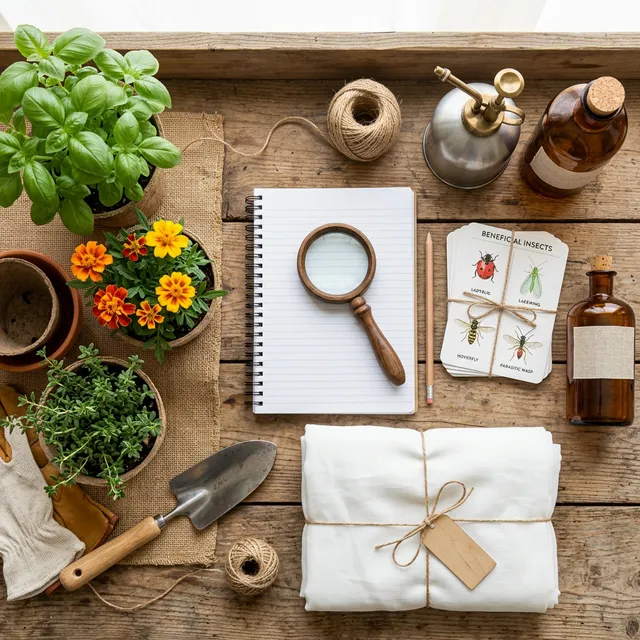 learn
learnIntegrated Pest Management for Beginners
Insecticidal soap is just one tool in your pest control toolkit. Learn the complete IPM approach that professional growers use to manage pests sustainably.
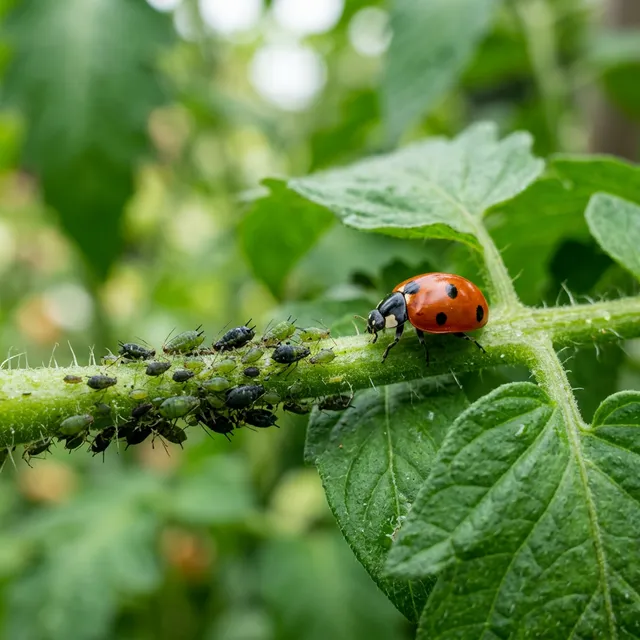 learn
learnCommon Garden Pests: Visual Identification Guide
Can't figure out what's eating your plants? Identify the 10 most common garden pests and learn which ones insecticidal soap can eliminate.
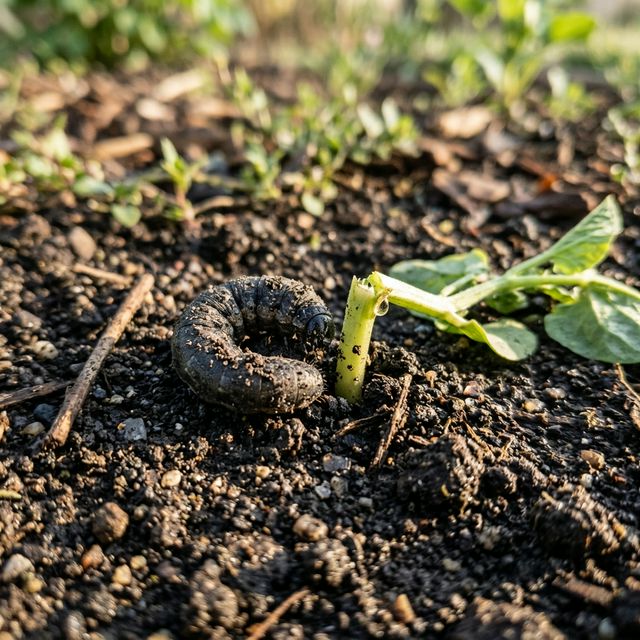 guides
Natural Pesticides for Vegetable Gardens
Six extension-guided tools for edible beds: contact soap first, then neem, Bt, and companions. Ranked by pest — not by the loudest organic label.