Integrated Pest Management for Beginners
Garden Soap Team
· Updated February 19, 2026 · 8 min read

What Is Integrated Pest Management?
IPM is the approach used by professional agriculture, university extension programs, and organic farms worldwide. Instead of reaching for a spray bottle every time you see a bug, IPM follows a structured decision-making process:
- Prevent, make your garden less attractive to pests
- Monitor, regularly check for problems before they explode
- Identify, figure out exactly what you’re dealing with
- Act, use the least toxic effective treatment
- Evaluate, assess results and adjust
The beauty of IPM is that it reduces your need for any spray, including insecticidal soap. Many pest problems can be prevented entirely with good cultural practices.
The IPM Pyramid
Think of pest management as a pyramid. Start from the bottom (prevention) and only move up when lower levels aren’t sufficient:
         ╱╲
        ╱  ╲
       ╱ 5  ╲   Chemical Control (Last Resort)
      ╱──────╲   Synthetic pesticides
     ╱   4    ╲  Biological Pesticides
    ╱──────────╲ Insecticidal soap, BT, neem
   ╱     3      ╲ Biological Control
  ╱──────────────╲ Beneficial insects, nematodes
 ╱       2        ╲ Physical & Mechanical
╱──────────────────╲ Barriers, traps, hand-picking
╱        1          ╲ Cultural Prevention
╱════════════════════╲ Healthy soil, rotation, diversity
Insecticidal soap sits at Level 4, a biological pesticide. It’s one of the safest options at that level, but ideally Levels 1-3 handle most problems first.
Level 1: Cultural Prevention
The foundation of IPM. These practices make pest problems less likely to occur:
Healthy Soil
- Compost regularly, healthy soil grows resilient plants
- Test soil pH, correct pH helps nutrient uptake and stress resistance
- Mulch, retains moisture, regulates temperature, supports beneficial organisms
Plant Selection
- Choose resistant varieties, many vegetable cultivars are bred for pest resistance
- Match plants to conditions, stressed plants attract more pests
- Plant native species, they’ve evolved alongside local beneficial insects
Garden Hygiene
- Clean up debris, fallen leaves and spent plants harbor overwintering pests
- Sanitize tools, prevent spreading disease between plants
- Remove diseased plants promptly, don’t compost them
Diversity
- Polyculture over monoculture, mixed plantings confuse pest navigation
- Companion planting, marigolds repel some insects, basil helps tomatoes
- Include flowering plants, attract beneficial insects year-round
Level 2: Physical and Mechanical Controls
Barriers and manual methods that prevent pests from reaching your plants:
Barriers
- Row covers, floating fabric that blocks flying pests while letting in light and rain
- Copper tape, repels slugs and snails around pots and raised beds
- Collars, cardboard collars around stems prevent cutworm damage
- Netting, protects fruit from birds and large insects
Traps
- Yellow sticky traps, attract and catch whiteflies, fungus gnats, and aphids
- Beer traps, slugs are attracted to yeast and drown
- Pheromone traps, target specific pest species with their own chemicals
Manual Removal
- Hand-picking, effective for large pests (hornworms, beetles, slugs)
- Water blast, strong spray from a garden hose dislodges aphids and mites
- Pruning, remove heavily infested branches to prevent spread
Level 3: Biological Control
Using nature’s pest controllers to manage your pest problems:
Beneficial Insects
| Beneficial | Controls | How to Attract |
|---|---|---|
| Ladybugs | Aphids, mites, scale | Dill, fennel, yarrow |
| Lacewings | Aphids, thrips, mites | Coreopsis, dandelions |
| Parasitic wasps | Caterpillars, aphids | Small flowering herbs |
| Hoverflies | Aphids | Alyssum, calendula |
| Ground beetles | Slugs, cutworms | Ground cover, mulch |
| Praying mantis | General predator | Tall grasses, shrubs |
Microbial Controls
- Bacillus thuringiensis (BT), kills caterpillars without harming other insects
- Beneficial nematodes, soil organisms that kill grubs, fungus gnats
- Beauveria bassiana, fungus that infects and kills many pest insects
Vertebrate Allies
- Birds, install birdhouses and birdbaths to attract insect-eating species
- Toads and frogs, a single toad can eat 10,000 insects per season
- Bats, one bat eats 1,000 mosquitoes per night
Level 4: Biological Pesticides
This is where insecticidal soap fits in. These are derived from natural sources and have minimal environmental impact:
| Product | Best For | Impact |
|---|---|---|
| Insecticidal soap | Soft-bodied insects | Very low, no residual |
| Neem oil | Broad range + systemic | Low, breaks down in days |
| BT spray | Caterpillars only | Very low, specific target |
| Pyrethrin | Broad knockdown | Moderate, kills beneficials too |
| Diatomaceous earth | Crawling insects | Low, physical, not chemical |
| Spinosad | Thrips, caterpillars | Moderate, toxic to bees when wet |
The Insecticidal Soap Advantage
Within this level, insecticidal soap has the strongest safety profile:
- Zero residual toxicity, safe for beneficials once dry
- Zero pre-harvest interval, spray and harvest same day
- No resistance development, pests don’t develop tolerance to soap
- Biodegradable, breaks down completely within hours
- Easy to make at home, affordable and accessible
Choose the right recipe for your situation (you’ll need pure castile soap for all of them):
- Basic Castile Soap Spray, general use
- Neem Oil Soap, persistent problems
- Garlic Pepper Soap, repellent action
- Rubbing Alcohol Soap, mealybugs and scale
Level 5: Chemical Control (Last Resort)
Synthetic chemical pesticides should only be used when all other methods have failed. This guide focuses on organic methods, but if you find yourself considering chemicals:
- Choose the most targeted product available
- Follow label directions exactly
- Apply at the recommended rate, more is not better
- Consider the impact on pollinators and beneficial insects
- Observe pre-harvest intervals strictly
Putting It All Together: A Seasonal IPM Calendar
| Season | Actions |
|---|---|
| Early Spring | Clean up garden debris, apply compost, install row covers, set sticky traps |
| Spring | Monitor for early aphid colonies, release ladybugs, start soap spray if needed |
| Summer | Maintain monitoring, hand-pick large pests, apply soap in early AM only |
| Fall | Remove spent plants, apply beneficial nematodes to soil, plan crop rotation |
| Winter | Plan next year’s garden diversity, order beneficial insect supplies |
Getting Started
You don’t need to implement everything at once. Start with these three steps:
- Learn to identify 5 common pests, our pest identification guide covers the ones you’re most likely to encounter
- Add diversity, plant a few flowering herbs among your vegetables to attract beneficial insects
- Keep insecticidal soap on hand, make a batch so you’re ready when you spot a problem
IPM isn’t about eliminating every insect, it’s about managing pest populations to a level where they don’t cause significant damage. A few aphids on a healthy plant are food for ladybugs, not a crisis.
Frequently Asked Questions
What is IPM in simple terms? ▼
Integrated Pest Management (IPM) is a common-sense approach to pest control that combines prevention, monitoring, and multiple treatment methods. Instead of relying on a single pesticide, IPM uses the least toxic option first and escalates only when needed.
Where does insecticidal soap fit in IPM? ▼
Insecticidal soap is a low-risk intervention in IPM — used after cultural and physical controls have been tried. It's ideal because it kills target pests on contact, has no residual toxicity, and breaks down quickly in the environment.
Do I need to be an expert to practice IPM? ▼
No! IPM is really just organized common sense. Start with healthy soil, learn to identify a few common pests, use physical barriers and beneficial insects first, and reach for sprays only when needed. This guide walks you through each step.
 ✓
✓ The Garden Soap Team writes every recipe and guide on this site. Formulas follow published horticultural guidance — university extension resources, the UC IPM program, and OMRI standards — and we cross-check concentrations and plant-safety warnings against documented gardener experience before publishing. No harsh chemicals, no guesswork passed off as expertise.
📚 Related Articles
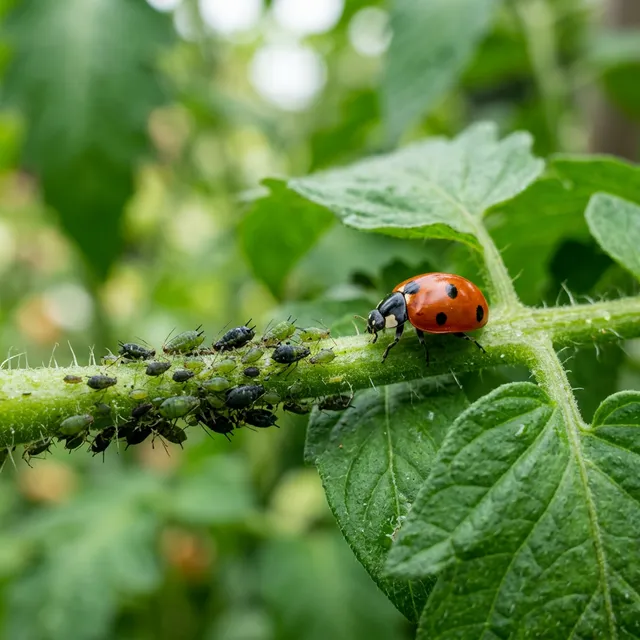 learn
learnCommon Garden Pests: Visual Identification Guide
Can't figure out what's eating your plants? Identify the 10 most common garden pests and learn which ones insecticidal soap can eliminate.
 guides
Insecticidal Soap Not Working? 8 Fixes
Your insecticidal soap spray isn't killing pests? Here are the 8 most common reasons it fails and exactly how to fix each one.
 guides
When to Spray Insecticidal Soap for Best Results
Timing is everything with insecticidal soap. Learn the best time of day, season, and growth stage to spray for maximum pest control.