Insecticidal Soap Not Working? 8 Fixes
Garden Soap Team
· Updated February 19, 2026 · 8 min read
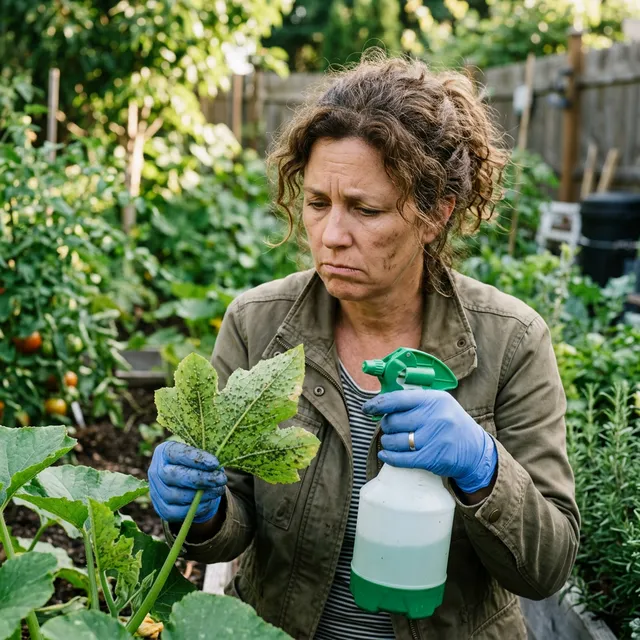
Garden Soap Team buying notes
A missed pass looks like a weak product. Another RTU rarely is the eighth fix.
- When DIY is enough: Soft-bodied pests, unscented castile, 1–2 tablespoons per quart, distilled water, undersides to drip, dawn, then day 4–5 and day 8–10. Buy a different chemistry when the pest is a beetle, a soil larva, or a caterpillar — not a hotter soap.
- Soft water vs hard water: Calcium and magnesium turn soap into scum. Distilled or rainwater (or 1 teaspoon vinegar per quart of tap) is cheaper than a “professional” second brand.
- Plant sensitivity: Raising the rate after a miss is how leaves bronze. Check coverage and ID first. Safety: plant safety.
- Concentration: 1–2 tablespoons per quart. Never “fix” a miss by jumping past ~3%. That is burn, not kill.
Listing checks before you buy
Read the active and the pest, not “works when others fail.”
- True soap. Potassium salts of fatty acids or unscented castile. Dish detergent is a degreaser. Selection: best soap for insecticidal spray.
- Hard-water behavior. Commercial concentrates sometimes tolerate minerals better. That is a reason to buy a labeled bottle — not a reason to skip undersides. Kitchen vs store: homemade vs commercial.
- Neem add-in. Residual after a correct soap knockdown — not a substitute for coverage. Compare: insecticidal soap vs neem oil.
- Skip: antibacterial dish liquids, scented castile, and any listing that promises egg-kill or week-long soap residual.
If you cannot name the pest, identify first: common garden pests. Then escalate spend only if the pest is off the soap list: best organic pesticides.
How to diagnose a failed pass before you buy another bottle
Walk the eight fixes in order. Most “soap is broken” notes die at step 3 or 7.
- Name the pest. Soft-bodied: aphids, whiteflies, mites, mealy, thrips, crawler scale, psyllids. Hard shell or soil stage: stop shopping soap.
- Confirm the bottle. Unscented castile or labeled potassium-salt. The concentrate this desk links: Dr. Bronner’s Pure Castile Soap. Kitchen mix: how to make insecticidal soap.
- Rate. 1–2 tablespoons per quart. Too low misses; too high burns and still misses eggs.
- Undersides to drip. Tops-only mist is the most common miss. Fine nozzle, joints, new growth.
- Water. If the mix will not lather, minerals ate the soap. Switch water.
- Clock. Dawn 6–9 AM, film wet long enough to contact. Timing: when to spray.
- Recheck. Eggs hatch. Day 4–5 and day 8–10. One pass is not a season.
- Fresh mix. Diluted soap fades in 24–48 hours. Do not spray last Tuesday’s bottle.
Indoor misses (no rinse, saucer soup, gnat larvae): insecticidal soap for indoor plants.
Pests that look like soap failures
| What you see | Soap job | Buy or do something else |
|---|---|---|
| Aphids / whiteflies / mites return in 5 days | Eggs survived | Recheck schedule, not a new RTU |
| Cotton in joints still there | Mealy wax | Alcohol swab, then soap |
| Brown bumps on stems | Adult scale | Scrape; soap only crawlers |
| Holes in brassica leaves | Caterpillar | Bt — organic pesticides |
| Shield bugs / beetles walking | Hard cuticle | Hand-pick or a labeled other tool |
| Gnats hovering after a leaf spray | Adults only | Soil dry-down / drench |
A listing that says “kills all garden pests” after your beetle walk is the wrong aisle.
Phytotoxicity mistaken for “needs stronger soap”
Bronze speckle the morning after a miss is often the fix you were about to buy.
- You raised the rate because undersides were dry. Rinse, drop back to 1 tablespoon per quart, aim the next dawn.
- Midday heat. Evaporation plus burn. The pest lived; the leaf did not.
- Dish detergent. Degreasers strip wax. Switch chemistry, do not add more Dawn.
- Sensitive host. Fern, seedling, farina succulent, wilted tomato. Half-rate or skip foliar.
Recovery: rinse, shade, no fertilizer for two weeks. Full steps: plant safety.
When to skip a buy
- You already own unscented castile and have not wet the underside, softened the water, or reapplied for eggs. Those are free.
- The pest is off the soft-bodied list. A hotter soap will not become Bt or a beetle spray.
- The leaf already burned. Buy time and water, not a “professional strength” RTU.
- Last week’s diluted jug is still in the bottle. Mix fresh. Shelf life: does homemade insecticidal soap expire.
Research-labeled street prices move. A pint of castile that mixes many correct tanks usually beats a 24 oz “maximum strength” RTU if the miss was coverage.
Buying criteria after a miss
Shop the failure mode, not a louder organic seal.
- Wrong soap: unscented castile or labeled potassium-salt concentrate. Brand split: best insecticidal soaps.
- Hard water: distilled jugs, or a commercial concentrate if you refuse to haul water.
- Right soap, wrong pest: Bt, spinosad, DE, or hand-pick — after ID.
- Right soap, return hatch: no purchase. Calendar the recheck.
- Want residual after a correct knockdown: cold-pressed neem plus soap emulsifier, evening only. Recipe: neem oil insecticidal soap.
Is It Really Not Working?
Before troubleshooting, set realistic expectations. Insecticidal soap:
- Does kill soft-bodied insects on direct contact
- Does not kill eggs
- Does not have residual killing power
- Does not work on hard-shelled insects (beetles, stink bugs)
If you’re expecting one spray to eliminate every pest permanently, that’s not how soap works. It’s a contact killer that requires a strategic multi-application approach.
Still not getting results? Here are the 8 most common reasons:
1. You’re Using the Wrong Soap
The Problem: Dish soap and other detergents are not true insecticidal soap. They may not contain the potassium salts of fatty acids that actually kill insects.
The Fix: Switch to pure liquid castile soap like Dr. Bronner’s Pure Castile Soap. See our complete soap selection guide for the best options.
2. Your Concentration Is Wrong
The Problem: Too little soap won’t kill pests. Too much will burn your plants (and still may not work better).
The Fix:
- Standard mix: 1-2 tablespoons of pure castile soap per quart of water
- Strong mix: 2.5 tablespoons per quart (use only on hardy plants after patch testing)
- Never exceed 3% concentration
3. You’re Not Getting Full Coverage
The Problem: Insecticidal soap must physically contact the insect. If you’re only spraying the tops of leaves, you’re missing most pests.
The Fix:
- Spray leaf undersides, this is where 90% of aphids, whiteflies, and mites live
- Spray until dripping, light misting isn’t enough
- Use a fine-mist nozzle, produces smaller droplets for better coverage
- Get into crevices, stem joints, leaf folds, new growth tips
4. Hard Water Is Killing Your Spray
The Problem: Calcium and magnesium in hard water react with soap to form insoluble salts (soap scum). These salts won’t kill insects.
The Fix:
- Use distilled water or collected rainwater
- Add 1 teaspoon white vinegar per quart of tap water
- Test by mixing soap with your water, if it doesn’t lather well, your water is too hard
5. You’re Spraying at the Wrong Time
The Problem: Spraying in the heat of the day causes rapid evaporation (less contact time) and can burn plants.
The Fix: Spray in the early morning (6-9 AM) when temperatures are cool and pests are sluggish. The soap needs to stay wet long enough to penetrate insect cuticles.
6. You’re Not Reapplying
The Problem: One application kills the insects it touches, but eggs survive. New nymphs hatch within days and the infestation appears to “come back.”
The Fix: Follow a 3-spray schedule:
- Day 1: First application
- Day 4-5: Catch newly hatched nymphs
- Day 8-10: Eliminate stragglers
- Check weekly after that
7. You’re Fighting the Wrong Pest
The Problem: Insecticidal soap only works on soft-bodied insects. It won’t kill:
- Beetles (hard exoskeleton)
- Stink bugs (thick shield)
- Caterpillars (somewhat effective on small ones)
- Ants (effective on contact but they’ll return)
- Grasshoppers
The Fix: Identify your pest first. Insecticidal soap is effective against:
- ✅ Aphids
- ✅ Whiteflies
- ✅ Spider mites
- ✅ Mealybugs
- ✅ Thrips
- ✅ Scale (crawler stage)
- ✅ Psyllids
For hard-shelled pests, you’ll need a different approach, consider integrated pest management.
8. Your Soap Has Gone Bad
The Problem: Pre-mixed insecticidal soap solution loses effectiveness within 24-48 hours. The fatty acid salts break down, especially in sunlight.
The Fix:
- Mix fresh before each application
- Never store diluted soap solution for more than a day
- Store concentrate soap in a cool, dark place
- Check expiration dates on commercial products
Still Not Working? A Troubleshooting Flowchart
Is the pest soft-bodied?
├── No → Soap won't work. Try manual removal or BT (for caterpillars)
└── Yes → Is your soap pure castile?
    ├── No → Switch to castile soap
    └── Yes → Are you using 1-2 tbsp/quart?
        ├── No → Adjust concentration
        └── Yes → Are you spraying leaf undersides?
            ├── No → Spray undersides until dripping
            └── Yes → Are you spraying early AM?
                ├── No → Switch to early morning
                └── Yes → Using distilled/soft water?
                    ├── No → Switch water source
                    └── Yes → Are you reapplying every 4-5 days?
                        ├── No → Set reapplication schedule
                        └── Yes → Consider adding neem oil
When to Escalate
If you’ve addressed all 8 issues and still have persistent pests, consider:
- Neem oil insecticidal soap, adds systemic protection
- Garlic pepper soap spray, adds repellent action
- Beneficial insect release, ladybugs for aphids, lacewings for general pests
- Row covers, physical barrier for vulnerable crops
- IPM approach, combine multiple strategies
Don’t give up on soap spray, it’s still one of the safest and most effective tools in organic gardening. Usually the fix is as simple as adjusting your technique.
Frequently Asked Questions
Why do the bugs come back after I spray insecticidal soap? ▼
Insecticidal soap has zero residual activity — it only kills on contact and becomes inert once it dries. You need to reapply every 4-7 days to catch newly hatched nymphs from eggs that survived the first spray.
Does insecticidal soap kill eggs? ▼
No, insecticidal soap does not kill insect eggs. It only affects soft-bodied insects upon direct contact. This is why a multi-spray approach over 2-3 weeks is necessary to break the pest life cycle.
Can hard water make insecticidal soap less effective? ▼
Yes. Hard water minerals (calcium, magnesium) react with soap to form insoluble salts, reducing effectiveness. Use distilled water or rainwater, or add 1 tsp white vinegar per quart to soften tap water.
 ✓
✓ The Garden Soap Team writes every recipe and guide on this site. Formulas follow published horticultural guidance — university extension resources, the UC IPM program, and OMRI standards — and we cross-check concentrations and plant-safety warnings against documented gardener experience before publishing. No harsh chemicals, no guesswork passed off as expertise.
📚 Related Articles
 guides
When to Spray Insecticidal Soap for Best Results
Timing is everything with insecticidal soap. Learn the best time of day, season, and growth stage to spray for maximum pest control.
 guides
Best Soap for Insecticidal Spray (and What to Avoid)
True castile vs dish detergent: unscented liquid soap at 1 tablespoon per quart. Dawn and “ultra” bottles strip leaf wax.
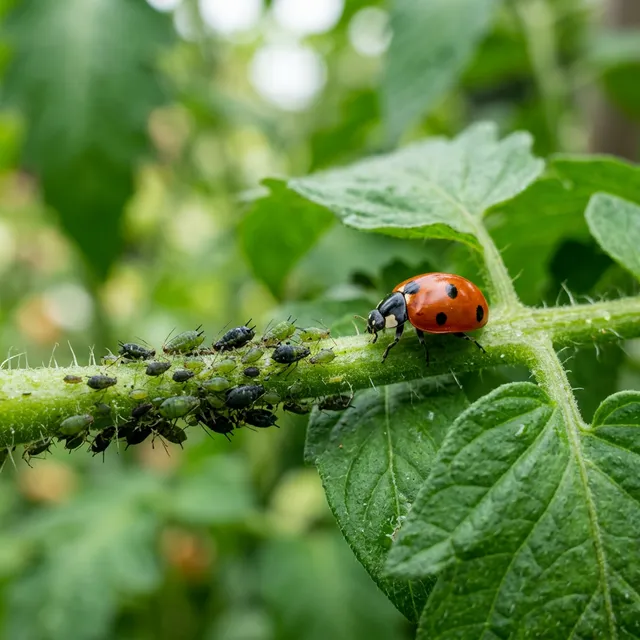 learn
learnCommon Garden Pests: Visual Identification Guide
Can't figure out what's eating your plants? Identify the 10 most common garden pests and learn which ones insecticidal soap can eliminate.