Common Garden Pests: Visual Identification Guide
Garden Soap Team
· Updated February 19, 2026 · 8 min read
How to Use This Guide
When you find damage on your plants, matching the pest to the right treatment saves time and money. This guide covers the 10 most common garden pests, organized by whether insecticidal soap can treat them.
Pests That Insecticidal Soap Kills ✅
1. Aphids
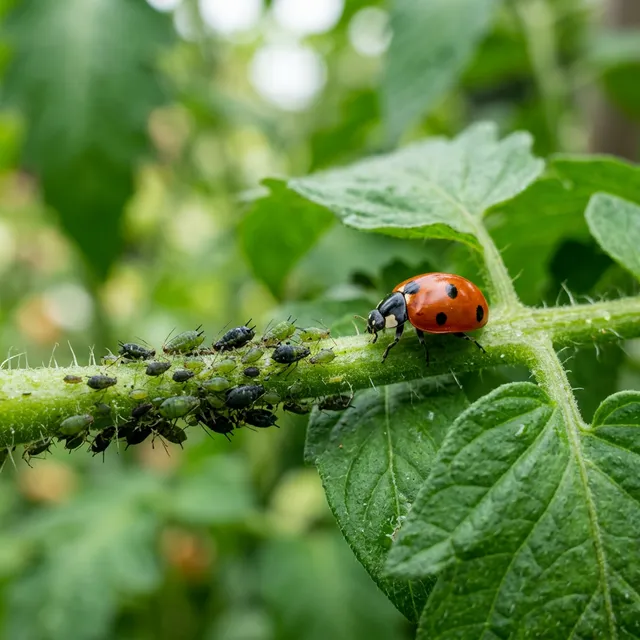
Appearance: Tiny (1-3mm), soft, pear-shaped insects in clusters. Color varies: green, black, red, yellow, or white.
Where to look: New growth tips, leaf undersides, flower buds, stems.
Damage signs:
- Curling, distorted new leaves
- Sticky honeydew on leaves (shiny residue)
- Black sooty mold growing on honeydew
- Ants farming the aphids for honeydew
Soap effectiveness: ★★★★★, Aphids are the ideal target for insecticidal soap. Their soft bodies and clustering behavior make them easy to treat with direct spray.
Treatment: Basic castile soap spray, spray every 4-5 days for 2-3 weeks. Full technique is in insecticidal soap for aphids.
2. Whiteflies
Appearance: Tiny (1-2mm), white, moth-like flying insects. They fly up in clouds when disturbed.
Where to look: Leaf undersides, especially on tomatoes, peppers, and eggplants.
Damage signs:
- Yellowing leaves
- Sticky honeydew
- Weakened, stunted plants
- Cloud of white insects when shaking the plant
Soap effectiveness: ★★★★☆, Very effective against nymph stage (immobile on leaf undersides). Adults are harder to hit because they fly.
Treatment: Spray leaf undersides thoroughly. Focus on early morning when adults are sluggish. See insecticidal soap for whiteflies for the multi-week schedule.
3. Spider Mites
Appearance: Extremely tiny (less than 0.5mm). Barely visible without magnification. Usually red, brown, or pale green.
Where to look: Leaf undersides, especially in hot, dry conditions.
Damage signs:
- Fine silky webbing on leaf undersides
- Stippled (tiny dots) yellowing on leaves
- Leaves turn bronze or brown
- Plant looks dusty or dry
Soap effectiveness: ★★★★☆, Soap kills all mobile stages on contact. Requires thorough coverage because they’re so small.
Treatment: Neem oil soap spray for best results. Increase humidity around plants to discourage them. Details are in insecticidal soap for spider mites.
4. Mealybugs
Appearance: White, cottony, oval-shaped insects (2-5mm). Look like tiny cotton patches.
Where to look: Leaf joints, stem crevices, leaf undersides. Common on houseplants.
Damage signs:
- White, waxy, cotton-like clusters
- Sticky honeydew
- Yellowing and leaf drop
- Weakened growth
Soap effectiveness: ★★★☆☆, The waxy coating protects them. Rubbing alcohol soap spray or direct cotton swab treatment works better. Use the mealybug soap guide for the 4–6 week schedule.
5. Thrips
Appearance: Tiny (1-2mm), slender, cigar-shaped insects. Usually tan, brown, or black.
Where to look: Inside flowers, on leaf surfaces, between petals.
Damage signs:
- Silver streaking on leaves
- Distorted flowers
- Black fecal spots on leaves
- Buds that fail to open properly
Soap effectiveness: ★★★☆☆, Effective on contact, but thrips hide in tight spaces and are hard to reach. See insecticidal soap for thrips.
6. Scale Insects (Crawler Stage)
Appearance: Crawlers are tiny (less than 1mm), mobile, and oval-shaped. Adult scale looks like round bumps attached to stems.
Where to look: Stems, branches, leaf veins.
Damage signs:
- Round, flat, or bumpy growths on stems
- Sticky honeydew
- Yellowing leaves
- Branch dieback
Soap effectiveness: ★★☆☆☆, Only works on the brief crawler stage. Adult armored scale is impervious. Use rubbing alcohol spray for better results, and time sprays with insecticidal soap for scale insects.
Pests That Soap Won’t Kill ❌
7. Japanese Beetles
Appearance: Metallic green and copper-colored beetles, about 15mm long.
Why soap fails: Hard exoskeleton resists soap penetration. However, a garlic pepper soap spray can help repel them.
Better treatment: Hand-pick into soapy water. Use milky spore disease for grub control. Our Japanese beetle guide explains why soap fails and what to use instead.
8. Tomato Hornworms
Appearance: Large (up to 10cm), bright green caterpillars with white diagonal stripes and a horn-like tail.
Why soap fails: Too large for soap to be effective. Their thick skin resists penetration.
Better treatment: Hand-pick (check both sides of leaves). BT (Bacillus thuringiensis) spray for caterpillars.
9. Slugs and Snails
Appearance: Soft-bodied mollusks, not insects. Slugs are shell-less; snails have spiral shells.
Why soap fails: While soap can technically affect them, it’s not an efficient treatment method.
Better treatment: Beer traps, copper barriers, food-grade diatomaceous earth, hand-picking at night.
10. Squash Vine Borers
Appearance: Larvae bore inside stems. Adult moths are orange and black with clear wings.
Why soap fails: Larvae are protected inside the stem where spray can’t reach.
Better treatment: Row covers to prevent egg-laying. Slit stems to remove larvae.
Quick Reference Table
| Pest | Soap Works? | Best Recipe | Urgency |
|---|---|---|---|
| Aphids | ✅ Yes | Basic soap | Medium |
| Whiteflies | ✅ Yes | Basic soap | Medium |
| Spider mites | ✅ Yes | Neem oil soap | High |
| Mealybugs | ⚠️ Partial | Alcohol soap | Medium |
| Thrips | ⚠️ Partial | Basic soap | Low |
| Scale (crawlers) | ⚠️ Partial | Alcohol soap | Medium |
| Japanese beetles | ❌ No | Garlic pepper (repel) | Medium |
| Hornworms | ❌ No | Hand-pick + BT | High |
| Slugs/snails | ❌ No | Beer traps | Low |
| Vine borers | ❌ No | Row covers | High |
Not sure which approach to take? Read our Integrated Pest Management guide for a complete strategy.
Common Questions
Is it safe to use this spray around pets and children? When used as directed, most homemade and commercial insecticidal sprays are much safer than synthetic alternatives. Always allow the solution to dry completely on the foliage before allowing pets or children back into the area.
How often should I reapply the treatment? For active infestations, applying every 4 to 7 days is generally recommended until the problem is under control. Once the pests are gone, you can reduce application to a bi-weekly preventative schedule.
Can I mix different garden treatments together? It is usually best to apply treatments separately unless explicitly directed by the manufacturer or the specific recipe. Mixing untested combinations can lead to unintended plant damage or reduced efficacy.
We evaluate gardening and home guides independently. To learn more about our editorial standards, read our Editorial Policy.
Frequently Asked Questions
How do I know if I have aphids? ▼
Look for clusters of small (1-3mm), pear-shaped insects on new growth, leaf undersides, and stem tips. They can be green, black, red, or yellow. Sticky residue (honeydew) on leaves below the colony is a telltale sign.
What pest leaves white webbing on plants? ▼
Fine, silky webbing on leaf undersides is the hallmark of spider mites. They're incredibly tiny (less than 1mm) and you may need a magnifying glass to see them. Look for stippled, yellowing leaves as an early indicator.
Are the tiny white flies on my plants whiteflies? ▼
If tiny white insects fly up in a cloud when you shake the plant, those are whiteflies. They look like tiny moths and congregate on leaf undersides. Unlike fungus gnats (which come from soil), whiteflies feed on leaves.
 ✓
✓ The Garden Soap Team writes every recipe and guide on this site. Formulas follow published horticultural guidance — university extension resources, the UC IPM program, and OMRI standards — and we cross-check concentrations and plant-safety warnings against documented gardener experience before publishing. No harsh chemicals, no guesswork passed off as expertise.
📚 Related Articles
 learn
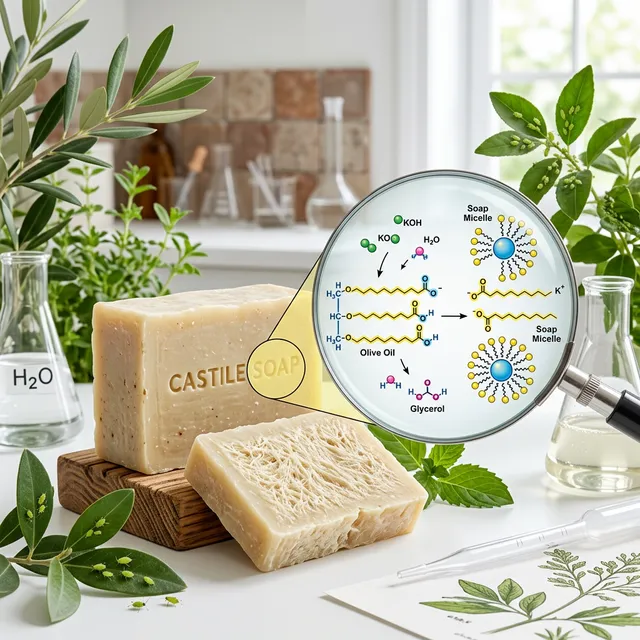
learnWhat Is Insecticidal Soap and How Does It Work?
Potassium salts of fatty acids dissolve soft-bodied cuticles on contact. Why aphids die and beetles don't — and why dry soap has zero residual.
 guides
When to Spray Insecticidal Soap for Best Results
Timing is everything with insecticidal soap. Learn the best time of day, season, and growth stage to spray for maximum pest control.
 guides
Insecticidal Soap Not Working? 8 Fixes
Your insecticidal soap spray isn't killing pests? Here are the 8 most common reasons it fails and exactly how to fix each one.