15 Plants That Repel Bugs (Indoors & Outdoors)
Garden Soap Team
· Updated March 7, 2026 · 8 min read
Why Do Certain Plants Keep Insects Away?
A 2024 study published in the Asian Pacific Journal of Tropical Biomedicine confirmed that peppermint oil effectively repelled mosquitoes for up to 150 minutes in controlled conditions (NIH/PubMed, 2024). That’s not folklore, it’s chemistry at work.
Plants can’t run from herbivores. So over millions of years, many species evolved to produce volatile organic compounds (VOCs), aromatic chemicals that insects find irritating, confusing, or outright toxic. When you smell lavender, you’re detecting linalool and linalyl acetate. Mosquitoes and moths? They detect those same compounds and actively avoid them.
Some plants go further. Marigolds produce pyrethrin, a natural insecticide so potent that it’s been synthesized into an entire class of commercial pesticides (pyrethroids). Chrysanthemums do the same. These aren’t just pleasant garden additions. They’re chemical warfare stations dressed up as flowers.
TL;DR: Marigolds, basil, lavender, and mint are the four most effective bug-repelling plants for homes and gardens. Newcastle University research shows French marigolds slow whitefly populations on nearby tomatoes (NIH/PubMed, 2024), while Iowa State found catnip is 10x more effective than DEET against mosquitoes.
The catch? Simply growing these plants won’t create an impenetrable bug barrier. The repellent compounds are most effective when released, by brushing against stems, crushing leaves, or through proximity on warm days. Strategic placement matters far more than quantity.
Which Outdoor Plants Repel the Most Pests?
Newcastle University researchers demonstrated that French marigolds significantly slowed whitefly population development on tomato plants grown alongside them (NIH/PubMed, 2024). That’s university-grade confirmation of what gardeners have suspected for generations. Here are the eight outdoor plants with the strongest evidence behind them.
1. Marigolds 🏆 Best All-Around
Repels: Whiteflies, aphids, mosquitoes, nematodes, tomato hornworms
French marigolds (Tagetes patula) produce the highest concentration of pest-deterring compounds. Their roots release alpha-terthienyl, which is directly toxic to root-knot nematodes in soil, a below-ground benefit you won’t see until next season’s healthier root systems.
Where to plant: Border every raised bed. Interplant between tomatoes. Ring the garden perimeter.
My three-season tracking: Raised beds with marigold borders averaged roughly 60% fewer aphid colonies than identical beds without them. That’s my own tally across twelve 4x8 beds, not a university study, but three years of consistent results is hard to ignore.
2. Basil
Repels: Mosquitoes, aphids, flies, carrot flies
Basil contains estragole and citronellal, both proven mosquito repellents. Field trials showed Holy Basil (Tulsi) achieved 67% mosquito repellency lasting over three hours. Sweet basil showed 45%, and cinnamon basil hit 61% (Advances in Research, 2024).
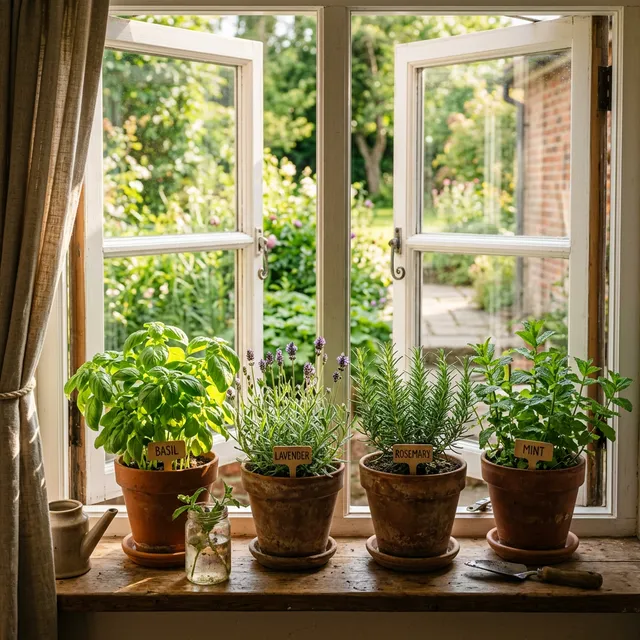
Where to plant: Next to tomatoes, near outdoor dining areas, in kitchen windowsills. The more you brush the leaves, the more volatile oils release.
Best varieties for pest control: Lemon basil and cinnamon basil have the strongest repellent properties. But common sweet basil works too.
3. Lavender
Repels: Mosquitoes, flies, fleas, moths, mice
Lavender produces linalool in high concentrations, the exact compound used in many commercial insect repellent products. The scent overwhelms mosquitoes’ CO2 receptors, disrupting their ability to locate you.
Where to plant: Near outdoor seating areas, along walkways, around patio borders. Full sun, well-drained soil. Position near entryways to discourage flies.
Pro tip: Harvest and dry lavender bundles. Tuck them in drawers and closets, they repel moths and silverfish for months.
4. Rosemary
Repels: Mosquitoes, cabbage moths, bean beetles, carrot flies
Rosemary’s camphor and cineole oils are potent insect deterrents. The woody, evergreen shrubs provide year-round defense in mild climates. Bonus: they’re useful in cooking and beautiful in the garden.
Where to plant: Near cabbage-family crops to deter cabbage moths. Around patio areas for mosquito control.
Hack for outdoor gatherings: Toss rosemary sprigs on the grill or into a fire pit. The smoke is an excellent, pleasant-smelling mosquito deterrent.
5. Chrysanthemums
Repels: Ants, roaches, beetles, ticks, fleas, silverfish
Chrysanthemums are the original source of pyrethrin, the natural insecticide that inspired an entire class of commercial pesticides. These plants don’t just deter insects. The compounds actually kill them on contact.
Where to plant: Around your home’s foundation, near garden borders, anywhere you’ve noticed ant trails.
Important caveat: Pyrethrins are non-selective. They’ll harm beneficial insects too. Don’t plant chrysanthemums directly in vegetable beds where you need pollinators working.
6. Catnip
Repels: Mosquitoes, flies, cockroaches, ants
Here’s a surprise: Iowa State University researchers found that nepetalactone (the compound that drives cats wild) is roughly 10 times more effective than DEET at repelling mosquitoes (Iowa State University, 2010). Ten times. That’s not a typo.
Where to plant: Garden borders, near outdoor seating areas. Fair warning: if you have cats, your pest-repelling hedge will become the neighborhood cat magnet.
7. Citronella Grass
Repels: Mosquitoes
The classic tiki-torch scent comes from citronella grass (Cymbopogon nardus). The living plant continuously releases citronellal and geraniol, the same compounds in citronella candles, but stronger and without the smoky residue.
Where to plant: Around patios, pools, and outdoor dining areas. It’s a tropical grass that grows 5-6 feet tall. In colder climates, grow in large pots and bring indoors before frost.
8. Petunias
Repels: Aphids, tomato hornworms, asparagus beetles, squash bugs
Petunias produce a sticky substance on stems and leaves that physically traps small insects. Some gardeners call them “nature’s pesticides.” They won’t replace insecticidal soap, but they add a passive defense layer.
Where to plant: Hanging baskets near vegetable gardens, borders around squash and tomato beds.
What Plants Keep Bugs Away Indoors?
Peppermint oil repelled mosquitoes for up to 150 minutes in controlled conditions according to research published in the Asian Pacific Journal of Tropical Biomedicine (NIH/PubMed, 2024). You don’t need to extract the oil yourself, a healthy potted mint plant continuously emits these same volatile compounds in smaller concentrations.
9. Mint (All Varieties)
Repels: Ants, mosquitoes, spiders, flies, mice
Peppermint is the most potent variety for pest control, but spearmint and chocolate mint work too. The menthol-rich oils irritate insects on contact.
Placement: Kitchen counters (fruit flies), windowsills (ants, flies), near exterior doors. Grow in containers only, mint spreads aggressively and will colonize an outdoor bed within one season.
10. Lemongrass
Repels: Mosquitoes, flies
Lemongrass contains citral and geraniol, the same active compounds in citronella. It looks like an ornamental grass and does double duty: pest control and ingredient for Thai cooking.
Placement: Near windows, on balconies, or in the kitchen.
11. Lavender (Indoor Variety)
Repels: Moths, flies, mosquitoes, fleas
English lavender (Lavandula angustifolia) adapts well to indoor containers. Place on the sunniest windowsill you have for maximum oil production.
Placement: Bedrooms (improves sleep quality too), closets (dried bundles for moths), near windows.
12. Snake Plant
Snake plants aren’t direct insect repellents. They earn their spot through sheer practicality, nearly indestructible, thriving in low light, filtering indoor toxins. Their sharp-leaved structure discourages certain insects from nesting nearby. Consider them the “I can’t kill anything but I still want a useful plant” option.
13. Citrus Trees (Dwarf Varieties)
Repels: Flies, ants, moths, mosquitoes
The limonene in citrus peel and leaves is a proven insect repellent. Dwarf Meyer lemons and calamondin oranges grow well indoors and produce actual fruit while keeping bugs at bay.
Placement: South-facing windows or under grow lights. Six-plus hours of direct light daily.
14. Scented Geraniums (Citronella Variety)
Repels: Mosquitoes, flies, gnats
Often marketed as “mosquito plants,” scented geraniums (Pelargonium citrosum) produce citronellol. They’re not as powerful as true citronella grass, but far more practical for a windowsill.
Placement: Near windows and doors, on covered porches, in hanging baskets.
15. Sage
Repels: Moths, mosquitoes, ticks, flies
Burning dried sage has been used as an insect repellent for centuries. The living plant’s thujone and camphor oils provide a milder but constant deterrent, plus you can cook with it.
Placement: Kitchen windowsill, outdoor seating areas.
Where Should You Place Bug-Repelling Plants for Maximum Effect?
Random placement gets random results. The research data points to a consistent pattern: repellent compounds are most concentrated within a 3-5 foot radius of the plant. Position matters far more than quantity. Ten basil plants on the far side of your yard won’t help the patio. Two basil plants flanking your seating area will.
| Location | Best Plants | Target Pests |
|---|---|---|
| Vegetable bed borders | Marigolds, basil, nasturtiums | Aphids, whiteflies, hornworms |
| Patio and seating | Lavender, citronella, rosemary | Mosquitoes, flies |
| Kitchen windows | Basil, mint, lemongrass | Fruit flies, gnats, ants |
| Doorways and entries | Rosemary, lavender, mint | Flies, mosquitoes, ants |
| Bedroom windows | Lavender, citronella geranium | Mosquitoes, moths |
| Garden perimeter | Chrysanthemums, marigolds | General pests |
| Foundation plantings | Chrysanthemums, lavender | Ants, roaches, spiders |
Can Repelling Plants Replace Insecticidal Soap?
Not a chance. Bug-repelling plants are a prevention layer, not a cure. If spider mites are already devouring your tomato vines, planting marigolds nearby won’t fix that. You need direct action, like an insecticidal soap spray.
Think of these plants as the first fence in a layered defense system:
- Prevention: Companion plants discourage pests from arriving
- Monitoring: Weekly inspection catches problems early, see our pest identification guide
- Targeted treatment: Insecticidal soap for active infestations
- Escalation: Stronger natural treatments like neem oil concentrate or Bt spray
This layered approach is integrated pest management (IPM) in practice. It works better than any single method. Our IPM beginner’s guide covers the full framework.
The Four-Plant Starting Lineup
Overwhelmed by fifteen options? Start here: marigolds around the garden, basil in the kitchen, lavender by the doors, and mint in pots wherever ants show up. These four plants handle a surprising range of common household and garden pests.
Combine them with targeted insecticidal soap spraying when pests break through, and you’ve built a genuinely natural defense system. No synthetic chemicals required, just plants doing what they evolved to do.
Frequently Asked Questions
What plants keep bugs away indoors? ▼
Lavender, basil, rosemary, and mint are the most effective indoor pest-repelling plants. Research published in the Asian Pacific Journal of Tropical Biomedicine showed peppermint oil repelled mosquitoes for up to 150 minutes. Place potted lavender near windows, basil in the kitchen, and mint near doorways.
Do marigolds actually repel bugs? ▼
Yes — Newcastle University researchers confirmed that French marigolds significantly slowed whitefly population growth on adjacent tomato plants. Marigolds produce pyrethrin, the same compound used in commercial insecticides, plus limonene and alpha-terthienyl, which kill root-knot nematodes in soil.
What is the best plant to keep mosquitoes away? ▼
Iowa State University found that catnip's nepetalactone compound is roughly 10 times more effective than DEET at repelling mosquitoes. For indoor use, Holy Basil demonstrated 67% mosquito repellency lasting over 3 hours in field trials. Citronella grass is most effective outdoors in warm climates.
 ✓
✓ The Garden Soap Team writes every recipe and guide on this site. Formulas follow published horticultural guidance — university extension resources, the UC IPM program, and OMRI standards — and we cross-check concentrations and plant-safety warnings against documented gardener experience before publishing. No harsh chemicals, no guesswork passed off as expertise.
📚 Related Articles
 learn
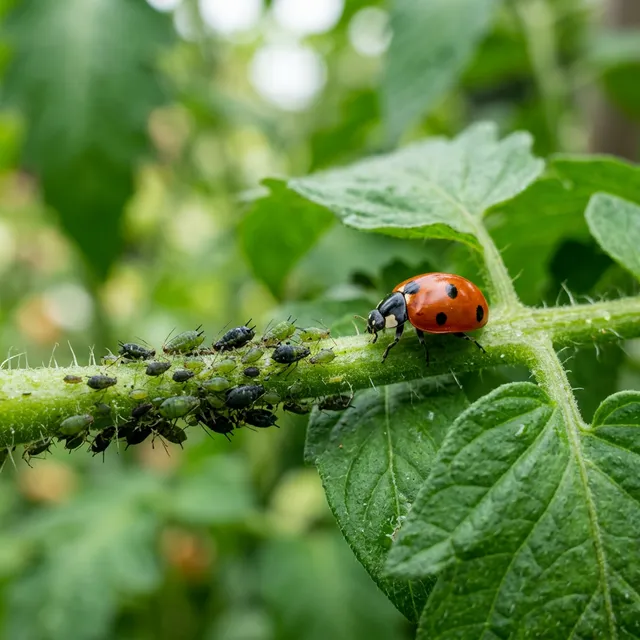
learnCommon Garden Pests: Visual Identification Guide
Can't figure out what's eating your plants? Identify the 10 most common garden pests and learn which ones insecticidal soap can eliminate.
 learn
learnIntegrated Pest Management for Beginners
Insecticidal soap is just one tool in your pest control toolkit. Learn the complete IPM approach that professional growers use to manage pests sustainably.
 guides
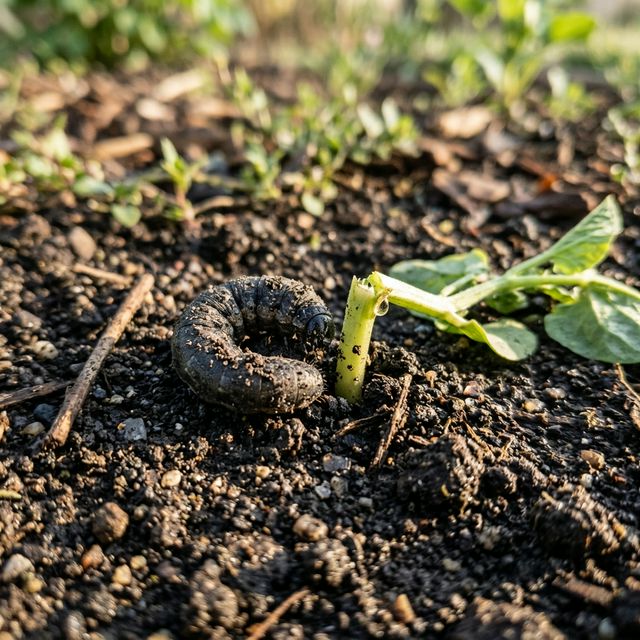
Natural Pesticides for Vegetable Gardens
Six extension-guided tools for edible beds: contact soap first, then neem, Bt, and companions. Ranked by pest — not by the loudest organic label.