Spring Garden Pest Prevention Guide
Garden Soap Team
· 8 min read
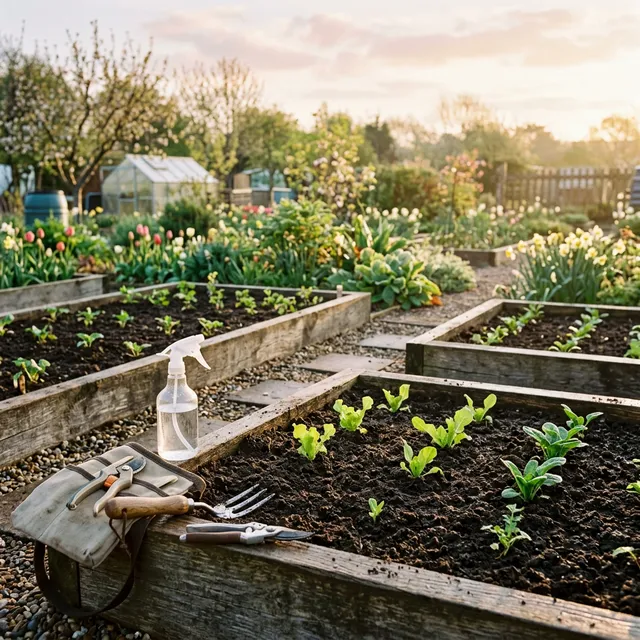
Why Spring Prevention Matters
The pests you prevent in March and April are the infestations you avoid fighting in June and July. Most garden pests overwinter as eggs, dormant adults, or pupae in soil and plant debris. When spring warmth arrives, they emerge and begin reproducing at exponential rates.
A single aphid producing 50 offspring per week means 12,500 aphids in just 4 weeks if left unchecked. Prevention eliminates the founders before the population explodes.
March: Pre-Season Garden Prep
Garden Hygiene
- Remove all plant debris from beds. Dead leaves, old stems, and fallen fruit harbor overwintering pest eggs, fungal spores, and slugs.
- Clean containers and pots. Scrub with a 10% bleach solution and rinse. Fungus gnat eggs and scale insects hide in pot crevices.
- Turn compost. Expose overwintering pest pupae to cold, birds, and dehydration.
- Sharpen and clean tools. Dirty pruning shears transfer disease between plants.
Soil Preparation
- Add compost to garden beds. Healthy soil grows healthy plants that resist pests.
- Check drainage. Waterlogged soil encourages root rot and fungus gnats.
- Mulch beds. 2-3 inches of organic mulch moderates soil temperature and moisture, reducing stress that makes plants vulnerable.
April: Early Season Monitoring
Start Scouting
Check your garden weekly for early pest signs. At this stage, populations are small and easy to control:
| What to Look For | Where | Likely Pest |
|---|---|---|
| Tiny green/black clusters | New shoot tips | Aphids |
| Small bumps on bark | Tree branches, stems | Scale insects |
| Fine stippling on leaves | Leaf tops (look underneath) | Spider mites |
| Curled/distorted new growth | Young plants | Aphids or thrips |
| Ants running up stems | Tree trunks, stems | Ants farming aphids |
First Spray: Dormant Oil on Trees
If you have fruit trees or ornamental trees with a history of scale or mite problems, apply a dormant oil-soap spray before buds open:
- 2 tablespoons castile soap + 1/2 cup vegetable oil per gallon of water
- Spray all bark surfaces on a calm day above 40°F
- This suffocates overwintering eggs
May: Active Management Begins
Establish Beneficial Insect Habitat
Prevention includes building your garden’s defense system. These plants attract pest-eating beneficial insects:
| Plant | What It Attracts | When to Plant |
|---|---|---|
| Sweet alyssum | Hoverflies, parasitic wasps | Early spring |
| Dill / fennel | Ladybugs, lacewings | Spring |
| Yarrow | Predatory beetles | Spring |
| Clover (ground cover) | Ground beetles, spiders | Early spring |
| Marigolds | Repels whiteflies, attracts beneficials | After last frost |
Diverse plantings create an ecosystem where pests are controlled naturally, reducing your need for insecticidal soap treatments.
Set Up Monitoring
- Sticky traps. Yellow traps near the garden catch early aphid and whitefly arrivals. Blue traps catch thrips. Check weekly.
- Visual inspection. Walk the garden weekly with a hand lens. Check leaf undersides, new growth, and stem bases.
- Record keeping. Note what pests appear, where, and when. Patterns help you predict and prepare for future years.
Your Spring Pest Treatment Toolkit
Have these items ready before pests arrive:
| Item | Purpose | Where to Get |
|---|---|---|
| Pure liquid castile soap | Making insecticidal soap | Amazon → |
| Spray bottles (multiple) | Application | Hardware store |
| Neem oil | Residual pest protection | Amazon → |
| Yellow sticky traps | Monitoring & adult capture | Garden center |
| Hand lens (10x) | Pest identification | Garden supply |
| Garden journal | Tracking pest patterns | Any notebook |
The 3-Step Spring Pest Response
When you find early-season pests:
- Identify. Use our pest identification guide to confirm what you’re dealing with.
- Assess scale. A few aphids? Water blast them off. A growing colony? Time for soap spray.
- Treat early. One early soap spray is cheaper and more effective than ten late-season treatments. Mix your basic castile soap spray and treat immediately.
Month-by-Month Spring Checklist
| Month | Key Actions |
|---|---|
| March | Clean up debris, clean pots, turn compost, prepare soil |
| April | Dormant oil on trees, start weekly scouting, plant beneficial habitat |
| May | Set sticky traps, first soap treatments as needed, companion planting |
| June | Regular monitoring schedule, maintain moisture, encourage beneficials |
The effort you invest in March and April pays dividends all season long. A clean garden with healthy soil, diverse plantings, and early monitoring catches pest problems when they’re small and easy to manage with a simple spray bottle of insecticidal soap.
Common Questions
Is it safe to use this spray around pets and children? When used as directed, most homemade and commercial insecticidal sprays are much safer than synthetic alternatives. Always allow the solution to dry completely on the foliage before allowing pets or children back into the area.
How often should I reapply the treatment? For active infestations, applying every 4 to 7 days is generally recommended until the problem is under control. Once the pests are gone, you can reduce application to a bi-weekly preventative schedule.
Can I mix different garden treatments together? It is usually best to apply treatments separately unless explicitly directed by the manufacturer or the specific recipe. Mixing untested combinations can lead to unintended plant damage or reduced efficacy.
Frequently Asked Questions
When do garden pests become active in spring? ▼
Most garden pests become active when daytime temperatures consistently reach 50-60°F. Aphids are often the first to appear, emerging from overwintering eggs as soon as new growth starts. Scale crawlers and spider mites follow as temperatures warm further.
Should I spray insecticidal soap preventatively? ▼
Generally no. Insecticidal soap has zero residual effect, it only kills pests it contacts directly. Preventative spraying is wasteful. Instead, scout weekly and spray when you first spot pests. The exception is a dormant oil-soap spray on fruit trees in late winter.
What is the best organic pest prevention strategy? ▼
Start with garden hygiene: remove plant debris, improve soil health, and encourage beneficial insects through diverse plantings. Healthy plants resist pests better than unhealthy ones.
 ✓
✓ The Garden Soap Team writes every recipe and guide on this site. Formulas follow published horticultural guidance — university extension resources, the UC IPM program, and OMRI standards — and we cross-check concentrations and plant-safety warnings against documented gardener experience before publishing. No harsh chemicals, no guesswork passed off as expertise.
📚 Related Articles
 guides
When to Spray Insecticidal Soap for Best Results
Timing is everything with insecticidal soap. Learn the best time of day, season, and growth stage to spray for maximum pest control.
 guides
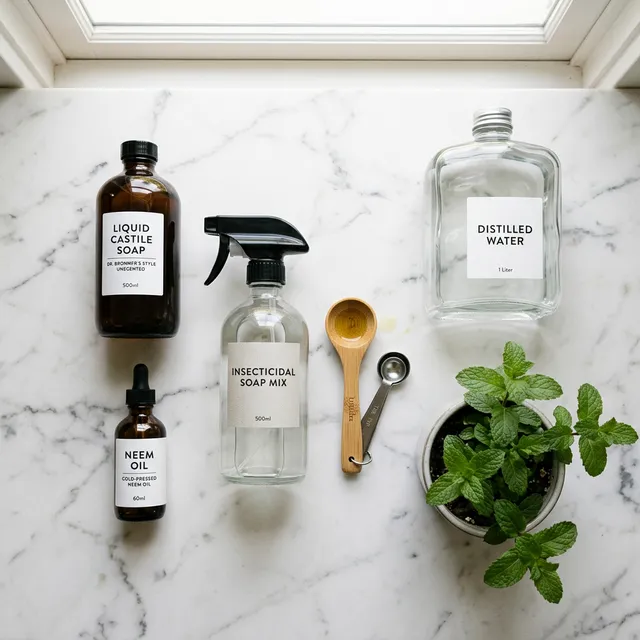
How to Make Insecticidal Soap at Home
Core 3-ingredient method: 1 tablespoon unscented castile per quart, leaf-underside coverage, and the mixing mistakes that burn plants.
 learn
learnIntegrated Pest Management for Beginners
Insecticidal soap is just one tool in your pest control toolkit. Learn the complete IPM approach that professional growers use to manage pests sustainably.