Insecticidal Soap for Roses
Garden Soap Team
· 8 min read
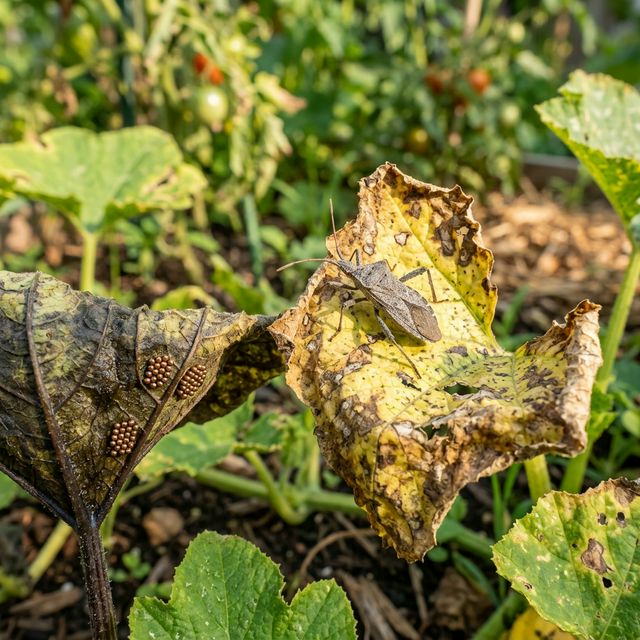
Common Rose Pests Soap Can Treat
Roses are magnets for soft-bodied pests. Here’s what insecticidal soap handles well:
Aphids (Most Common)
Rose aphids cluster on new growth, bud stems, and leaf undersides. You’ll see distorted new growth, sticky honeydew, and curled leaves. A severe aphid infestation can prevent buds from opening properly.
Soap effectiveness: Excellent. See our full aphid treatment guide.
Spider Mites
Common on roses in hot, dry weather. Look for stippled leaves with a bronze cast and fine webbing on undersides. Roses stressed by heat and drought are particularly vulnerable.
Soap effectiveness: Excellent. See our full spider mite guide.
Thrips
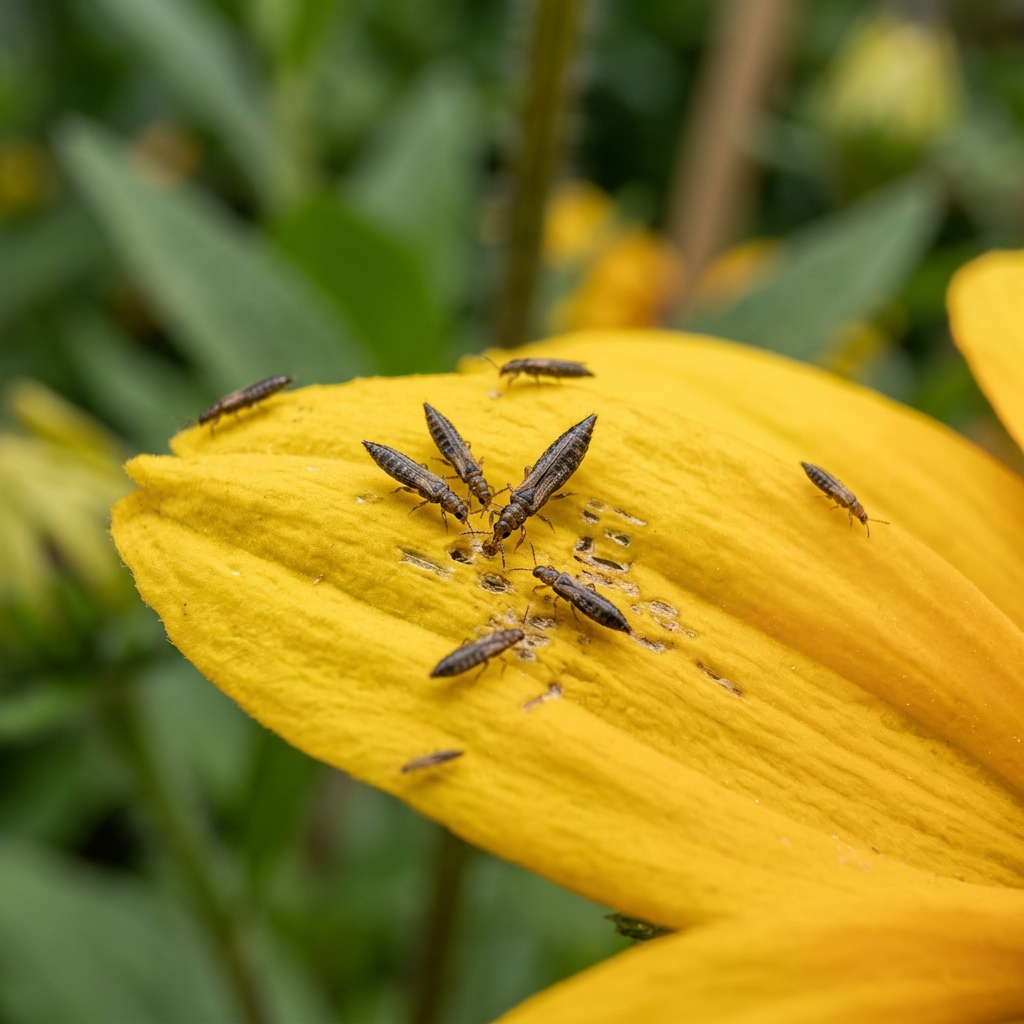
Rose thrips feed inside flower buds, causing brown edges on petals and streaked, distorted blooms. Flower thrips damage is cosmetic but can be devastating for cut flowers and show roses.
Soap effectiveness: Good when combined with bud removal. See our thrips guide.
Whiteflies
Less common on outdoor roses but can infest greenhouse roses. Look for small white insects that fly up when leaves are disturbed.
Soap effectiveness: Excellent. See our full whitefly guide.
Pests Soap Won’t Help With
Not every rose pest responds to soap spray:
| Pest | Why Soap Fails | Better Treatment |
|---|---|---|
| Japanese beetles | Hard-shelled adults | Hand-pick, milky spore for grubs |
| Rose sawfly larvae | Too mobile, soap dries fast | BT (Bacillus thuringiensis) |
| Rose slug (bristly) | Slimy coating | Hand remove, spinosad |
| Rose chafer | Hard body, thick cuticle | Hand-pick, neem oil drench |
| Black spot (fungus) | Not an insect | Fungicide, preventative spray |
| Powdery mildew | Not an insect | Baking soda spray, fungicide |
The Rose-Specific Soap Recipe
Standard Rose Spray
- 1 tablespoon pure liquid castile soap like Dr. Bronner’s Unscented
- 1 quart water, distilled or rainwater preferred
- Optional: 1 teaspoon vegetable oil
For Mite + Aphid Combo (common in summer)
- 1.5 tablespoons castile soap per quart
- 1 teaspoon cold-pressed neem oil concentrate
- Shake well, apply weekly
Use unscented castile soap only. Scented varieties contain essential oils that can spot rose petals.
How to Spray Roses Without Damaging Blooms
Protect Open Flowers
Soap spray on open rose petals causes spotting and can shorten vase life. To protect blooms:
- Cup your hand over open flowers while spraying foliage
- Target the stem, leaf undersides, and budding areas
- For thrip-infested buds, spray into partially opened buds, but accept that those blooms may be cosmetically imperfect
Timing for Roses
- Best time: Early morning (6-9 AM), before bees visit
- Second best: Evening after 6 PM
- Never: Midday heat, or when plants are wilted from heat stress
- Season: Start monitoring in April when aphid populations explode with new spring growth
Application Schedule
| Month | Pest Pressure | Action |
|---|---|---|
| April-May | Aphids arrive with new growth | Scout weekly, treat if colonies appear |
| June-July | Mites increase in hot weather | Spray every 7 days if present |
| August | Peak mite + thrip season | Most intensive treatment needed |
| September-October | Declining | Reduce to spot treatments |
Rose Care That Prevents Pests
Healthy roses resist pest damage and recover faster:
- Water properly. Deep watering at the base, not overhead. Drought stress invites spider mites.
- Feed appropriately. Excess nitrogen produces lush growth that attracts aphids. Use balanced rose fertilizer.
- Prune for airflow. Open centers allow air circulation and reduce fungal issues that weaken plants.
- Mulch. A 2-3 inch layer of organic mulch retains moisture and reduces dust (which mites love).
- Encourage ladybugs. Plant yarrow, dill, or fennel nearby. A single ladybug eats 50-60 aphids daily.
- Remove spent blooms. Deadheading removes thrip habitat and keeps the plant directing energy to new growth.
Companion Planting for Pest-Resistant Rose Gardens
Certain plants that repel bugs work well as rose companions:
- Garlic and chives planted at rose bases repel aphids
- Lavender attracts beneficial insects while deterring some pests
- Marigolds attract thrips away from roses (trap crop)
- Catmint attracts predatory beneficial insects
- Parsley and dill support parasitic wasps that attack aphids
A diverse garden around your roses creates a natural pest management ecosystem that reduces the need for any spray at all.
Garden Soap Team buying notes
Roses fail soap treatments when the bloom gets the mix or the pest is a beetle. Another RTU does not fix either.
- When DIY is enough: Aphids on new growth and mites on hot, dry foliage are a 1 tablespoon-per-quart castile spray. Buy spinosad or plan hand-picks for Japanese beetles and sawfly larvae. Buy a labeled fungicide or a baking-soda card for black spot — soap is not a disease spray.
- Soft water vs hard water: Hard tap water plus soap spots petals and leaves a white film. Distilled water is cheaper than a “rose-safe” second brand.
- Plant sensitivity: Open blooms mark. Hairy or stressed foliage burns in heat. Patch-test a new cultivar. Never stack soap + neem + fungicide in one tank.
- Concentration: 1 tablespoon unscented castile per quart for foliage; 1.5 tablespoons only for a confirmed mite+aphid combo after a clean patch test. More soap spots more petals.
How to mix and spray roses without spotting blooms
The chemistry is the same 1% film. The rose-specific job is foliage yes, show petals no.
- Unscented castile only. Peppermint or tea-tree oils spot petals. The bottle this desk uses here is Dr. Bronner’s Unscented. Why not Dawn: best soap for insecticidal spray.
- Mix soap-first in a dedicated bottle. 1 tablespoon per quart. Swirl. Kitchen walkthrough: how to make insecticidal soap.
- Cup or skip open flowers. Spray stems, leaf undersides, and tight buds. Accept cosmetic damage if you must treat a thrip-infested bloom you still plan to cut.
- Fine mist, underside first. A coarse jet dumps rate on a leaflet and misses the aphid row on the next. Houseplant-size bushes: best spray bottles. A hedge of roses: garden sprayers.
- Dawn (6–9 AM) before bees hit the blooms. Evening after 6 PM if leaves can dry. Empty the tank the same day.
Optional neem on foliage after a patch test — not on a show bloom in midday sun. Combo card: neem oil insecticidal soap.
Pests rose soap covers (and misses)
| Pest | Soap job | Buy or do something else |
|---|---|---|
| Aphids | Excellent on contact | Undersides of new growth; ladybugs if you can keep them |
| Spider mites | Excellent if you wet the bronze | Water the root zone; mites love drought |
| Thrips | Good on exposed insects | Pull ruined buds; soap does not reach every insect inside a tight bloom |
| Whiteflies | Excellent on greenhouse roses | Same underside rule |
| Japanese beetles, rose chafer | Poor | Hand-pick; hard bodies shrug off a film |
| Sawfly / rose slug | Poor | Hand-remove; spinosad if you escalate |
| Black spot / mildew | None | Not an insect — different tool |
If the listing says “rose spray” and lists beetles plus mildew plus aphids, read the actives. That is usually a different product than potassium-salt soap.
Phytotoxicity on petals, heat, and stacked mixes
Most “soap ruined my rose” notes are petals, heat, or a tank cocktail.
- Open blooms. Fatty acids mark petals and shorten vase life. Treat foliage; sacrifice a bloom only when thrips are the show problem.
- Midday and wilt. A heat-stressed rose in the 80s–90s °F is a cook, not a pest pass. Water first, wait, soap another morning. Timing: when to spray.
- Scented castile and dish detergent. Those strip wax. Failures belong on the soap-selection page, not on a hotter mix.
- Soap + fungicide the same hour. Soap can shift pH and coverage. 24 hours apart unless a label on that fungicide says otherwise.
- Sensitive neighbors. Ferns or thin herbs underplanted at the rose base catch drift. Desk list: plants sensitive to insecticidal soap.
If a leaf bronzes within a day, rinse, drop back to 1 tablespoon per quart, and check the nozzle. Safety: plant safety.
Buying criteria for a rose soap kit
Shop the pest and the bloom, not a “rose care” bundle.
- Soap: unscented liquid castile or a labeled potassium-salt concentrate. Brand split: best insecticidal soaps. Kitchen vs store: homemade vs commercial.
- Water: distilled or rainwater if petals spot from your tap.
- Sprayer: fine mist, dedicated to soap. One bottle for a couple of bushes; a 1-gallon pump for a row.
- Neem: cold-pressed concentrate via tagged search when you want residual on foliage. Compare: best neem oil products.
- Not-soap SKUs: spinosad for beetles/slugs you have already identified; a real fungicide or baking soda card for disease. Do not buy a second RTU soap because black spot kept spreading.
Rose questions that are not generic spray FAQ
Can the dog walk the rose bed after a morning pass? After the foliage is dry. Do not leave a half-full bottle on the path. Fatty-acid soap is a contact film, not a residual lawn treatment.
If it showers on the afternoon after you soaped? The film washed off. Respray when the leaves are dry. A “waterproof rose spray” listing is usually a different chemistry.
Should you soap every Saturday as prevention? No. Dry film does nothing. Scout new growth weekly in April–May; treat when you see colonies. Calendar soap is how petals get marked for no reason.
Frequently Asked Questions
Is insecticidal soap safe for roses? ▼
Yes. Roses tolerate insecticidal soap well at standard concentrations (1-2 tablespoons per quart). Avoid spraying open blooms, as soap can mark petals. Spray in early morning and avoid direct midday sun.
What pests does insecticidal soap kill on roses? ▼
Insecticidal soap effectively kills aphids (the most common rose pest), spider mites, whiteflies, and soft-bodied thrips on contact. It does not control Japanese beetles, sawfly larvae, or rose slugs, which require different treatments.
Can I mix insecticidal soap with fungicide for roses? ▼
Generally, do not mix insecticidal soap with other products unless specifically tested. Soap can change the pH and effectiveness of fungicides. Apply them separately, at least 24 hours apart.
 ✓
✓ The Garden Soap Team writes every recipe and guide on this site. Formulas follow published horticultural guidance — university extension resources, the UC IPM program, and OMRI standards — and we cross-check concentrations and plant-safety warnings against documented gardener experience before publishing. No harsh chemicals, no guesswork passed off as expertise.
📚 Related Articles
 guides
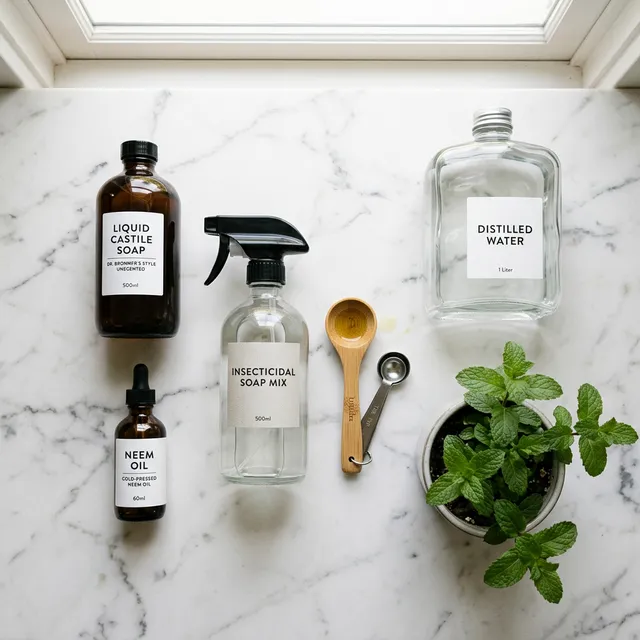
How to Make Insecticidal Soap at Home
Core 3-ingredient method: 1 tablespoon unscented castile per quart, leaf-underside coverage, and the mixing mistakes that burn plants.
 guides
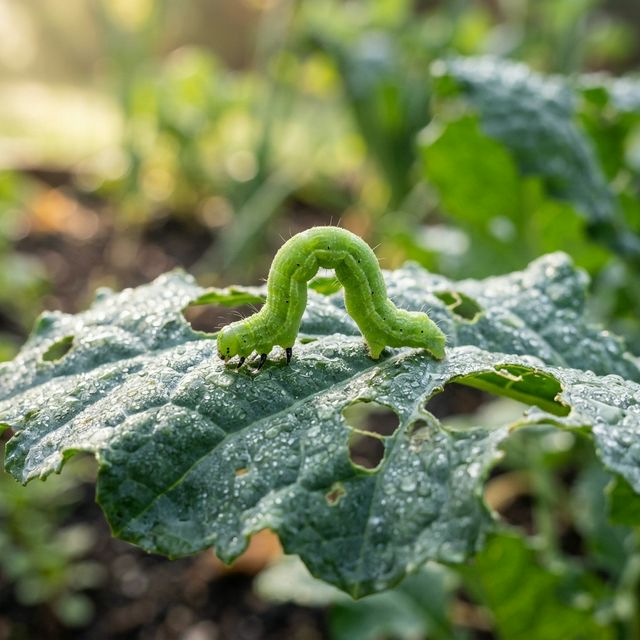
Insecticidal Soap for Aphids
Aphids die on contact if you wet the colony and the leaf underside. Coverage, 5–7 day repeats, and when to add neem instead of more soap.
 guides
Insecticidal Soap for Thrips
Thrips are tiny, fast-moving pests that damage leaves and spread plant viruses. Insecticidal soap can control them, but timing and technique are critical.