Tomato Leaf Insecticidal Soap Spray
Use the natural pest-fighting alkaloids in tomato leaves with this unique insecticidal soap recipe. Effective against aphids and whiteflies.
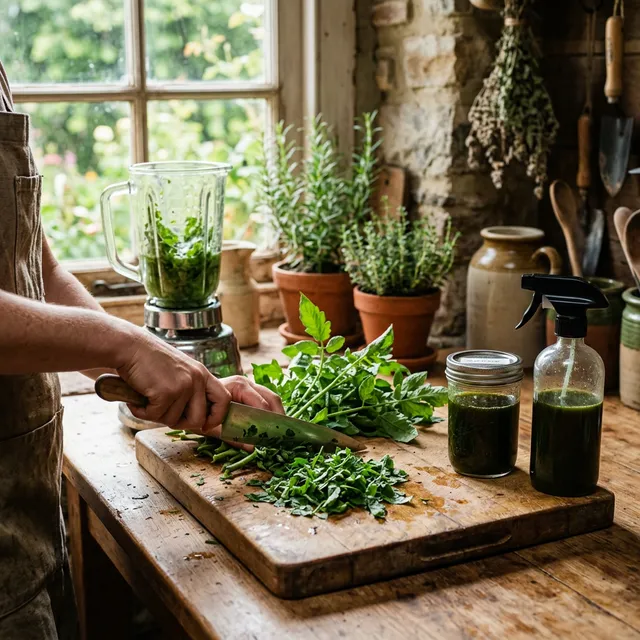
The Science Behind Tomato Leaf Spray
Tomato plants belong to the nightshade family (Solanaceae) and produce natural defense compounds called alkaloids — specifically tomatine and solanine. These compounds:
- Are toxic to many soft-bodied insects
- Act as feeding deterrents
- Disrupt insect digestive systems
By extracting these alkaloids into a spray and combining them with insecticidal soap, you create a dual-action treatment that kills on contact AND deters future feeding.
Why Use Tomato Leaves?
If you grow tomatoes, you’re already creating this ingredient for free every time you prune! Instead of composting those suckers and lower leaves, turn them into pest spray. For crop-specific timing and which tomato pests soap can and cannot treat, see insecticidal soap for tomatoes.
Best leaves to use:
- Suckers removed during pruning
- Lower leaves removed for airflow
- End-of-season foliage when pulling plants
Don’t use:
- Diseased leaves (could spread pathogens)
- Leaves treated with other pesticides
- Very young seedling leaves (not enough alkaloid content)
Instructions
Step 1: Make Tomato Leaf Tea
- Chop 2 cups of fresh tomato leaves roughly
- Place in a heat-safe container
- Pour 2 cups of boiling water over the leaves
- Cover and steep for at least 4 hours (overnight is ideal)
- Strain through cheesecloth, pressing leaves to extract all liquid
Step 2: Mix the Spray
- Pour the strained tomato leaf concentrate into a spray bottle
- Add 1 tablespoon of castile soap (Dr. Bronner’s works well)
- Add enough water to make 1 quart total
- Shake gently to combine
Step 3: Apply
- Spray leaf undersides and stems where pests congregate
- Apply in early morning hours for best results
- Avoid spraying on edible parts of plants close to harvest
- Reapply every 5-7 days
Effectiveness
| Pest | Effectiveness | Mechanism |
|---|---|---|
| Aphids | ★★★★★ | Contact kill + feeding deterrent |
| Whiteflies | ★★★★☆ | Contact kill + moderate deterrent |
| Small caterpillars | ★★★☆☆ | Digestive disruption |
| Spider mites | ★★☆☆☆ | Limited — use neem oil recipe instead |
Storage
Unlike most insecticidal soap mixes, the tomato leaf concentrate stores well:
- Concentrate (before adding soap): Up to 1 week refrigerated in a sealed jar
- Mixed spray: Use within 24 hours
This is a practical advantage — you can make a batch of concentrate on the weekend and use it throughout the week.
Safety Precautions
⚠️ Tomato leaf alkaloids are mildly toxic to humans and pets.
- Wear gloves when handling concentrated tomato leaf tea
- Wash hands thoroughly after mixing and spraying
- Don’t spray on leafy greens you’ll eat raw within a week
- Keep concentrate away from children and pets
- Compost used leaves rather than leaving them accessible
The alkaloid concentration in this spray is low enough that it’s safe for normal garden use, but treat it with more respect than plain soap spray.
When to Choose This Recipe
✅ Great for:
- Gardeners who already grow tomatoes (free ingredients!)
- Organic gardens where you want plant-derived pest control
- Aphid problems on ornamental plants
- Combining with other methods in an IPM strategy
❌ Skip this when:
- You don’t have access to fresh tomato leaves
- You need to treat edible plants close to harvest
- You’re dealing with hard-shelled pests (try the alcohol formula)
- Your primary concern is spider mites (choose neem oil instead)
Frequently Asked Questions
Can I use dried tomato leaves instead of fresh? Fresh leaves contain higher concentrations of tomatine and solanine. Dried leaves still work, but double the amount (4 cups) and steep overnight to extract enough alkaloids.
Do potato leaves work the same way? Yes, potato plants are also nightshades and contain similar alkaloids. You can substitute potato leaves at the same ratio. However, avoid using any leaves from potato plants showing signs of blight.
Will this spray harm beneficial insects? The alkaloids primarily affect soft-bodied insects that feed on treated foliage. Most beneficial predators (ladybugs, lacewings) are not harmed by contact alone, but avoid spraying directly on them. Soap in the mixture can harm beneficials on contact, so spray when pollinators are not active.
How long do the alkaloids remain effective after spraying? Tomatine breaks down in UV light within 3-5 days. On leaf undersides (shaded), residual activity may last up to a week. Rain washes it off faster, so reapply after any significant rainfall.
Is this spray safe for tomato plants themselves? Yes. Tomato plants naturally produce these alkaloids and are not harmed by reapplication. However, some sensitive plants may react, so test on a small area first when spraying non-nightshade crops.
What happens if it rains after applying the spray? Rain can easily wash away targeted surface applications, significantly reducing the impact of the treatment. For best results, try to apply your treatments when there is a clear forecast for at least 24 to 48 hours to ensure maximum absorption and effectiveness against persistent garden pests. Ensure you monitor the weather periodically during active growth seasons.
This final treatment provides excellent lasting protection.
This final treatment provides excellent lasting protection.
Related Articles
 ✓
✓ The Garden Soap Team writes every recipe and guide on this site. Formulas follow published horticultural guidance — university extension resources, the UC IPM program, and OMRI standards — and we cross-check concentrations and plant-safety warnings against documented gardener experience before publishing. No harsh chemicals, no guesswork passed off as expertise.
📚 Related Articles
 recipes
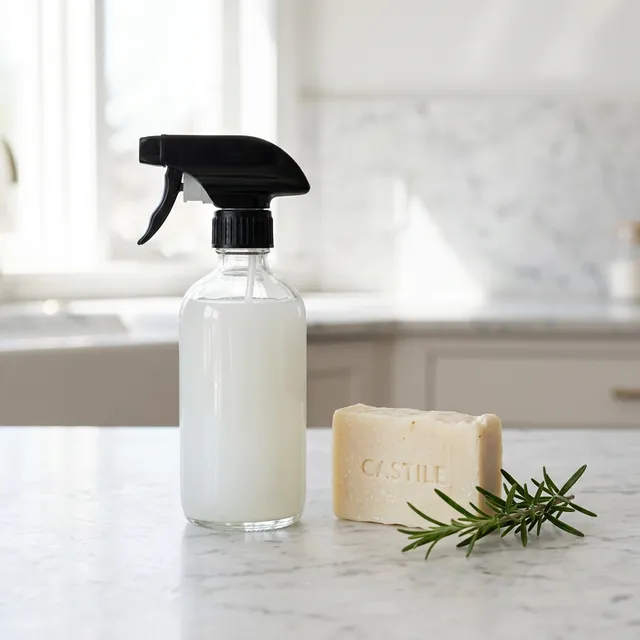
Basic Castile Insecticidal Soap Spray
The simplest and most effective homemade insecticidal soap recipe using pure castile soap. Works on aphids, whiteflies, and spider mites.
 recipes
Garlic Pepper Insecticidal Soap Spray
A powerful triple-action pest spray that kills on contact, repels with garlic, and deters with capsaicin. Great for gardens with persistent pest problems.
 learn
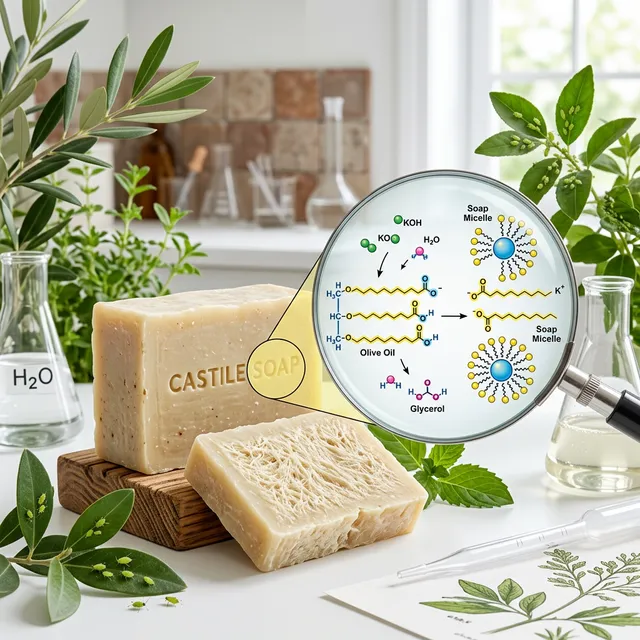
learnWhat Is Insecticidal Soap and How Does It Work?
Potassium salts of fatty acids dissolve soft-bodied cuticles on contact. Why aphids die and beetles don't — and why dry soap has zero residual.