Hydrogen Peroxide Insecticidal Soap Spray
Hydrogen peroxide combined with insecticidal soap creates a dual-purpose spray that kills pests and fights fungal infections. Here's the recipe and how to use it safely.
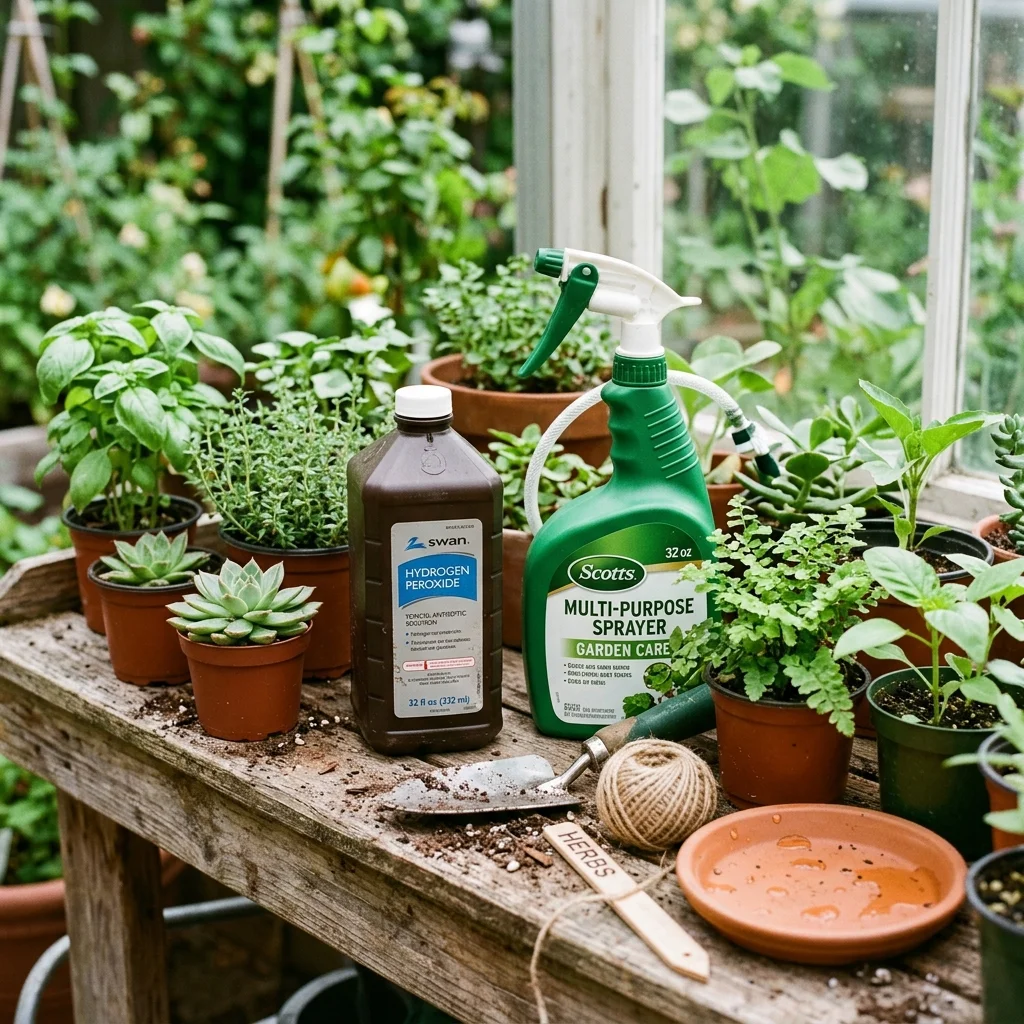
Why Combine Hydrogen Peroxide and Soap
Insecticidal soap kills soft-bodied pests on contact. Hydrogen peroxide adds two benefits that soap alone can’t provide:
- Fungicidal action: H2O2 kills fungal spores on leaf surfaces (powdery mildew, downy mildew, leaf spot)
- Soil oxygen boost: When used as a drench, it aerates compacted soil and kills fungus gnat larvae
This makes the combination particularly useful when you’re dealing with pests AND fungal issues simultaneously, which is common in humid conditions or overwatered houseplants.
The Recipe
Foliar Spray (Pests + Leaf Fungus)
- 1 tablespoon pure liquid castile soap (Dr. Bronner’s recommended)
- 2 tablespoons 3% hydrogen peroxide
- 1 quart water
Soil Drench (Fungus Gnat Larvae + Root Rot)
- 1/2 tablespoon castile soap
- 3 tablespoons 3% hydrogen peroxide
- 1 quart water
Mixing Instructions
- Add soap to spray bottle first
- Add hydrogen peroxide
- Fill with room-temperature water
- Swirl gently; don’t shake vigorously
- Use immediately. Hydrogen peroxide degrades within hours in solution, especially in sunlight.
Never store this mixture. Mix fresh each time.
How It Works
The soap disrupts pest cell membranes, kills soft-bodied insects on contact, and acts as a surfactant (helps the spray stick to plant surfaces and spread evenly).
The hydrogen peroxide (H2O2) breaks down into water and oxygen on contact with organic matter:
- On leaf surfaces: the released oxygen kills fungal spores
- In soil: the oxgenation kills anaerobic organisms (bacteria causing root rot) and fungus gnat larvae
- On pests: adds mild additional oxidative stress
The fizzing you see is the oxygen release. It’s completely normal and harmless.
Best Uses for This Recipe
| Use Case | Application | Effectiveness |
|---|---|---|
| Aphids + powdery mildew | Foliar spray | Excellent for both |
| Fungus gnats (adults) | Spray soil surface | Good for adults |
| Fungus gnats (larvae) | Soil drench | Excellent |
| Root rot prevention | Soil drench | Good |
| Whiteflies | Foliar spray | Good |
| Heavy fungal infection | Foliar spray repeated | Moderate (fungicide may be needed) |
| Spider mites | Foliar spray | Moderate (soap alone sufficient) |
Application Guide
For Foliar Treatment (Pests + Fungus)
- Spray early morning for best results
- Cover all leaf surfaces, top and bottom
- Pay extra attention to areas with visible fungal growth (white powdery patches, dark spots)
- Repeat every 5-7 days for pest control
- For fungal issues, continue until symptoms resolve plus one additional application
For Soil Drench (Fungus Gnats)
- Water the plant normally first (soil should be moist)
- Pour the drench mixture through the soil until it runs out the drainage holes
- The fizzing action kills larvae in the top 2-3 inches of soil
- Repeat weekly for 3 weeks to break the gnat life cycle
- Let soil dry between applications to discourage new egg laying
Plant Safety
Hydrogen peroxide at 3% is generally safe for most plants, but some precautions apply:
Generally safe:
- Tomatoes, peppers, herbs, roses, most houseplants
Test first:
- Sensitive-leaved plants (ferns, orchids, African violets)
- Seedlings and young transplants
- Any plant you haven’t tested before
Avoid:
- Using concentrations above 3% (can burn tissue)
- Spraying in direct hot sunlight
- Using on extremely dry or wilted plants
Always patch test on 3-5 leaves and wait 48 hours.
Common Questions
Can I use 12% or 35% hydrogen peroxide? No. Only use standard 3% pharmacy-grade H2O2. Higher concentrations will burn plant tissue, damage roots, and can cause chemical burns to your skin. There is no reason to use food-grade 35% H2O2 in the garden.
Why does the spray stop fizzing? The hydrogen peroxide has fully decomposed into water and oxygen. When this happens, the antifungal effect is gone but the soap component is still active. This is why you must use the spray immediately after mixing.
How often can I use this? As a foliar spray, every 5-7 days is safe for most plants. As a soil drench, weekly for no more than 4 consecutive weeks. Extended use can affect beneficial soil organisms.
Can I add neem oil to this recipe? Yes. Add 1 teaspoon neem oil for additional pest protection. The soap helps emulsify both the neem oil and hydrogen peroxide. This creates a triple-action spray: soap kills pests, neem disrupts pest development, and H2O2 fights fungal issues.
When This Recipe Is Better Than Plain Soap
Use the hydrogen peroxide combo when:
- You see both pest and fungal problems on the same plant
- Fungus gnats are coming from overwatered soil
- Your garden is in a humid climate prone to mildew
- Root rot is a concern in your potting mix
For pure pest problems without fungal issues, the basic castile soap spray is simpler and equally effective.
What happens if it rains after applying the spray? Rain can easily wash away targeted surface applications, significantly reducing the impact of the treatment. For best results, try to apply your treatments when there is a clear forecast for at least 24 to 48 hours to ensure maximum absorption and effectiveness against persistent garden pests. Ensure you monitor the weather periodically during active growth seasons.
 ✓
✓ The Garden Soap Team writes every recipe and guide on this site. Formulas follow published horticultural guidance — university extension resources, the UC IPM program, and OMRI standards — and we cross-check concentrations and plant-safety warnings against documented gardener experience before publishing. No harsh chemicals, no guesswork passed off as expertise.
📚 Related Articles
 recipes
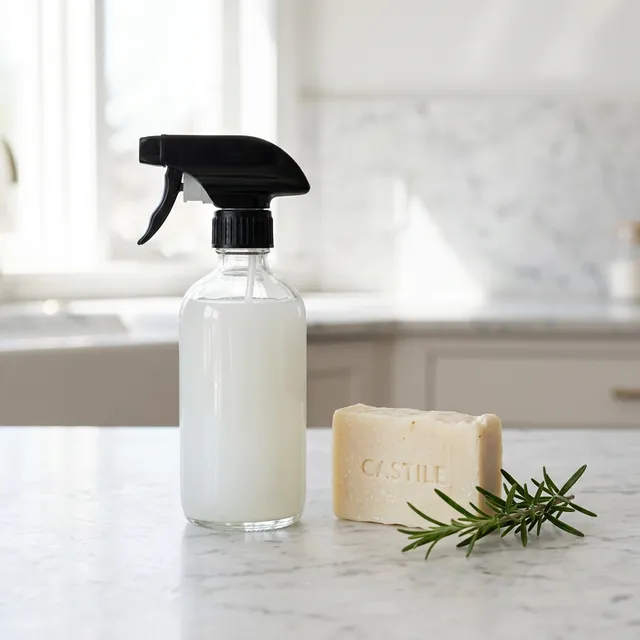
Basic Castile Insecticidal Soap Spray
The simplest and most effective homemade insecticidal soap recipe using pure castile soap. Works on aphids, whiteflies, and spider mites.
 guides
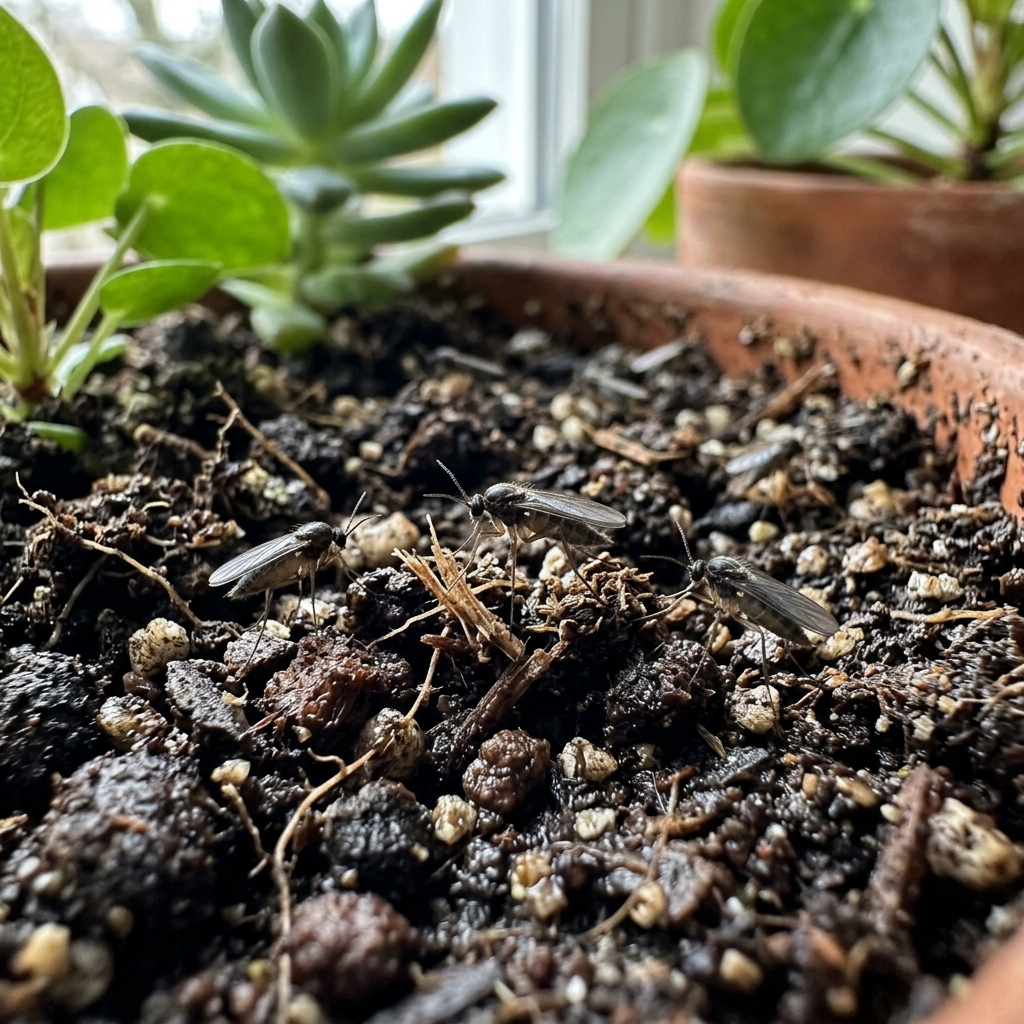
Insecticidal Soap for Fungus Gnats
Fungus gnats are annoying, and their larvae damage plant roots. While insecticidal soap has limited use for gnats, here's the complete treatment strategy.
 recipes
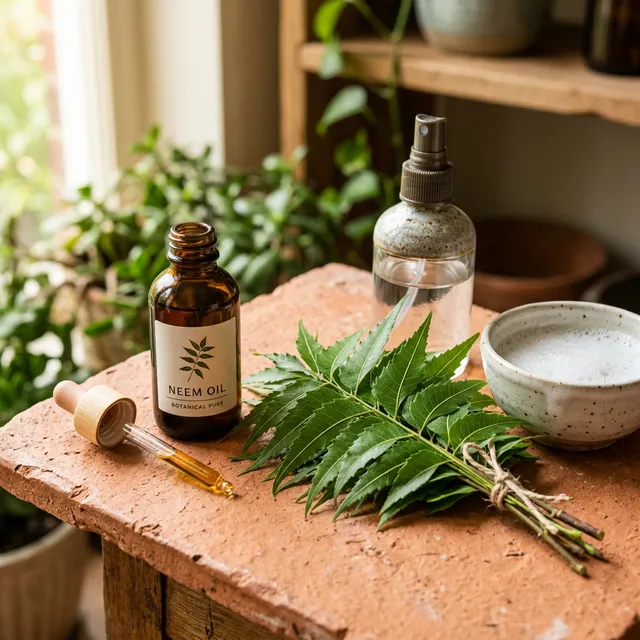
Neem Oil Insecticidal Soap Spray
Soap knocks pests down; neem adds a few days of feeding disruption. Mix ratios, evening timing, and when plain castile is still enough.