Insecticidal Soap Plant Safety Guide
Garden Soap Team
· Updated February 19, 2026 · 8 min read
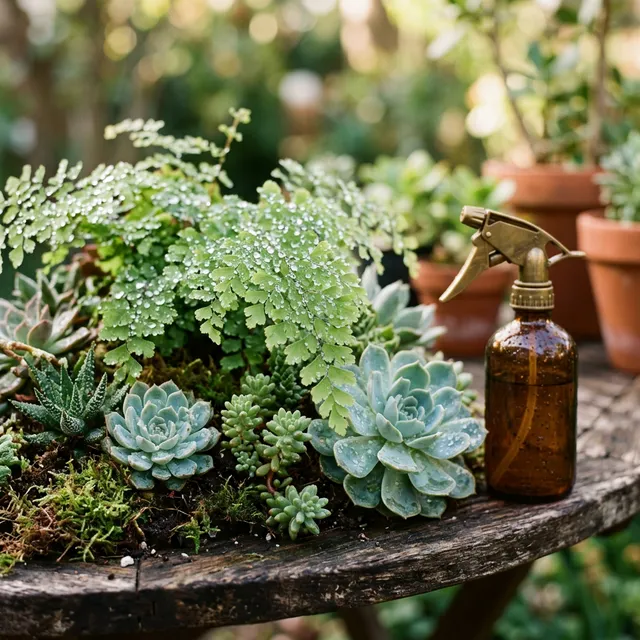
Garden Soap Team buying notes
Plant damage from soap is usually rate, heat, or the wrong bottle — not a missing “gentle” SKU.
- When DIY is enough: A 1% unscented castile mix on a hydrated, heat-tolerant host after a 48-hour patch test. Buy a labeled concentrate if your tap is hard and you refuse distilled jugs. Do not buy a second “plant-safe” RTU because yesterday’s 2% mix bronzed a fern.
- Soft water vs hard water: Minerals plus soap leave film and spots that look like burn. Distilled or rainwater is cheaper than a gentler brand of the same fatty acids.
- Plant sensitivity: Succulents, ferns, seedlings, Japanese maples, gardenias, and hairy leaves fail first. Half-rate or swab. Full list: plants sensitive to insecticidal soap.
- Concentration: 1–2 tablespoons per quart on hardy foliage; 0.5–1% on the caution list. More soap is how gardeners buy phytotoxicity, not kill.
Listing checks before you buy
“Gentle,” “natural,” and “houseplant safe” are not rates.
- Unscented potassium-salt or castile. If the listing adds fragrance, tea-tree, or dish-detergent degreasers, that is a burn risk, not a softer soap. Selection: best soap for insecticidal spray.
- Printed ceiling. A commercial concentrate with a max rate is useful when you over-pour kitchen spoons. Kitchen vs store: homemade vs commercial.
- Skip: Dawn-as-pesticide, antibacterial dish liquids, and “all-plant” RTUs that hide oil or pyrethrin behind a tomato photo.
- Indoor extras. Thin cuticles, rinse, tub — not a hotter mix: insecticidal soap for indoor plants.
If a leaf already bronzed and you were about to buy a stronger bottle, stop. Diagnose on insecticidal soap not working — coverage and pest ID — then recover the plant before another pass.
How to patch-test before a full-plant spend
The cheapest safety tool is three leaves and two days, not a new SKU.
- Mix the rate you actually plan to use. 1 tablespoon unscented castile per quart on hardy plants; half that on the caution list. The bottle this desk uses here is Dr. Bronner’s Unscented.
- Spray 3–5 leaves on different parts of the plant. Wait 48 hours. Yellow, bronze, curl, or wilt = dilute or skip foliar.
- Clock the real pass. Dawn or evening, 40–85°F, plant hydrated, no midday sun. Timing: when to spray.
- Rinse after 1–2 hours on indoor or sensitive hosts. The film only works wet; residue is leftover risk.
- Do not stack soap + neem + fungicide the same hour. 24 hours apart unless a label on that second product says otherwise.
Succulent farina and half-strength: insecticidal soap for succulents and houseplants. Tomato heat notes: insecticidal soap for tomatoes.
Plants and rates that burn (buying implication)
| Host | Soap job | Buy or skip |
|---|---|---|
| Tomato, pepper, bean, rose foliage | Standard 1% after a patch test | Skip the pass above ~90°F or on wilt |
| Indoor pothos, philodendron, rubber plant | 1% in a tub, then rinse | Distilled water beats a second RTU |
| Fern, African violet, calathea, seedling | 0.5% or swab | Do not buy “full strength houseplant soap” |
| Succulent / cactus farina | Half-rate, no rub | A hotter mix strips wax permanently |
| Open blooms | Usually skip | Soap marks petals; treat foliage |
A listing that says “safe on all plants” without a patch-test sentence is marketing. Species detail stays on plants sensitive to insecticidal soap.
Phytotoxicity from heat, wilt, and stacked mixes
Most burn notes this desk sees are environment, not a mysterious brand.
- Above 90°F or a drooping leaf. Fatty acids strip wax faster on a heat-stressed cuticle. Water the root zone, wait, soap another morning.
- Direct midday sun. Droplets plus soap residue spot leaves. Shade the pass.
- Dish detergent. Synthetic surfactants are not potassium-salt soap. Failures belong on the soap-selection page.
- Daily sprays. 4–7 days is the recheck, not a dawn-and-dusk habit. Eggs survive; extra film does not.
- Saucer or crown soup. Indoor runoff on roots, or water sitting in a succulent rosette, is rot risk — dump it.
When to skip the buy
- You already own unscented castile and the last burn was 2% in the afternoon. Dilute and wait — do not replace the bottle.
- The host is on the caution list and already drought-stressed. Swab pests or skip foliar. A “sensitive plant” RTU is still soap.
- You have not patch-tested a new cultivar. Three leaves are cheaper than a replacement shrub.
- The pest is a beetle or a disease spot. Safer soap will not become Bt or a fungicide. Escalate after ID: best organic pesticides.
Research-labeled street prices move. A pint of castile plus distilled water usually beats a gentle-branded 24 oz RTU if the rate and clock were the problem.
Buying criteria that are not “plant-safe” on the cap
Shop the host and the printed rate.
- Soap: unscented liquid castile or a labeled potassium-salt concentrate with a maximum dilution. Brand split: best insecticidal soaps.
- Water: distilled or rainwater when spots appear on dark indoor leaves.
- Sprayer: dedicated, rinseable, fine mist — leftover herbicide in the tank is not a soap burn, but it looks like one.
- Not-soap SKUs: half-rate plan for succulents; a real fungicide for black spot; Bt for worms. Do not buy a second RTU because the maple spotted.
Understanding Phytotoxicity
Phytotoxicity, plant damage from chemical exposure, is the main risk with insecticidal soap. Even though soap sprays are among the safest pesticides available, they can still harm plants when:
- Concentration is too high (more than 2% soap)
- Applied in extreme heat (above 90°F / 32°C)
- Plant is already stressed (drought, transplant shock, disease)
- Sensitive species are sprayed without testing first
Plants That Handle Soap Well ✅
These plants tolerate standard insecticidal soap concentrations (1-2%) with minimal risk:
| Category | Safe Plants |
|---|---|
| Vegetables | Tomatoes, peppers, squash, cucumbers, beans, broccoli, cabbage, lettuce |
| Herbs | Basil, oregano, thyme, rosemary, cilantro, parsley |
| Flowers | Roses, marigolds, zinnias, sunflowers, petunias |
| Trees/Shrubs | Most deciduous trees, boxwood, holly, hydrangea |
| Houseplants | Pothos, spider plants, philodendrons, rubber plants |
Plants to Be Careful With ⚠️
These plants are more sensitive and require lower concentrations (0.5-1%) and a patch test:
- Succulents, waxy coating can be stripped
- Ferns, delicate fronds burn easily
- New seedlings, thin cuticle offers less protection
- Japanese maples, leaves may discolor
- Gardenias, can develop leaf spots
- Sweet peas, thin petals are vulnerable
For a complete list, see our detailed guide: Plants Sensitive to Insecticidal Soap.
Environmental Conditions Matter
Temperature
| Temp Range | Safety Level |
|---|---|
| Below 40°F | ❌ Don’t spray, soap won’t work, may stress plant |
| 40-85°F | ✅ Ideal range for application |
| 85-90°F | ⚠️ Spray early morning only, monitor closely |
| Above 90°F | ❌ High phytotoxicity risk, skip the spray |
Time of Day
Best: Early morning (6-9 AM), cool temperatures, plants are hydrated, pollinators aren’t active yet.
Acceptable: Late evening (after 6 PM), temperatures dropping, but leaves stay wet longer (minor fungal risk).
Avoid: Midday, heat amplifies soap’s drying effect on leaves.
Sun Exposure
Never spray insecticidal soap on plants in direct, intense sunlight. The water droplets can act as tiny magnifying glasses, focusing light and causing burn spots. Wait for shade or spray when the sun has moved.
How to Minimize Plant Damage
1. The Patch Test (Always!)
Before treating any plant for the first time:
- Mix your insecticidal soap solution at the intended dilution
- Spray 3-5 leaves on different parts of the plant
- Wait 48 hours
- Look for yellowing, browning, curling, or wilting
- No damage? Proceed with full application
2. Rinse After Treatment
After 1-2 hours (once the soap has had time to contact pests), rinse plants with clean water. This:
- Removes soap residue that could cause cumulative damage
- Washes away dead insects
- Reduces risk to beneficial insects that arrive later
3. Use the Right Soap
Not all soaps are equal. Choose pure castile soap like Dr. Bronner’s Unscented over dish detergent, detergents are far more likely to cause phytotoxicity because they contain synthetic surfactants.
4. Don’t Over-Apply
More is not better with insecticidal soap. Stick to:
- 1-2 tablespoons per quart of water
- Every 4-7 days at most
- Only where pests are present, don’t treat the whole garden preventatively
Signs of Soap Damage
If you notice any of these within 48 hours of spraying, your soap solution may be too strong:
- 🟡 Yellow spots, fatty acid burn on leaf tissue
- 🟤 Brown leaf edges, dehydration from stripped cuticle wax
- 🔄 Curling leaves, osmotic stress from soap residue
- ⬛ Black spots, severe phytotoxicity (stop immediately)
Recovery: Flush affected plants with clean water, move to shade if possible, and don’t reapply soap for at least 2 weeks. Most plants recover within a few weeks if damage is caught early.
The Bottom Line
Insecticidal soap is one of the safest pest control methods available, but it’s not risk-free. By choosing the right soap, applying at the right time, and testing first, you can protect your plants while eliminating pests effectively.
What to Do If You Damage a Plant
If you already sprayed and see signs of phytotoxicity, here’s a recovery plan:
- Immediately rinse the plant with a gentle stream of clean water. Don’t just mist; actually wash the soap off.
- Move to shade if the plant is in a container. For in-ground plants, provide temporary shade with a cloth or umbrella for 2-3 days.
- Check soil moisture. Soap damage is often compounded by drought stress. Make sure the soil is consistently moist (not waterlogged) during recovery.
- Do not fertilize for at least 2 weeks. The plant is stressed and can’t absorb nutrients efficiently. Extra fertilizer salts could make things worse.
- Remove severely damaged leaves. Brown, crispy leaves won’t recover. Removing them lets the plant redirect energy to new growth.
- Wait. Most plants recover within 2-4 weeks if the damage was caught early and the soap has been washed off. You’ll see fresh growth emerging from the stem nodes.
If more than 50% of the foliage is damaged, the plant may take a full growing season to recover. In extreme cases with woody plants, recovery can take longer but is usually successful.
Frequently Asked Questions
Will insecticidal soap kill my tomato plants? ▼
Tomato plants generally tolerate insecticidal soap well. However, avoid spraying in temperatures above 90°F and don't spray wilted plants. Always test on a few leaves first.
Can I spray insecticidal soap on flowers? ▼
Most flowers tolerate soap spray, but avoid spraying open blooms as it may affect pollinators. Spray in the early morning or evening when pollinators are less active.
How often can I safely spray insecticidal soap? ▼
Apply every 4-7 days as needed. More frequent application increases the risk of phytotoxicity. Always allow plants to dry completely between applications.
 ✓
✓ The Garden Soap Team writes every recipe and guide on this site. Formulas follow published horticultural guidance — university extension resources, the UC IPM program, and OMRI standards — and we cross-check concentrations and plant-safety warnings against documented gardener experience before publishing. No harsh chemicals, no guesswork passed off as expertise.
📚 Related Articles
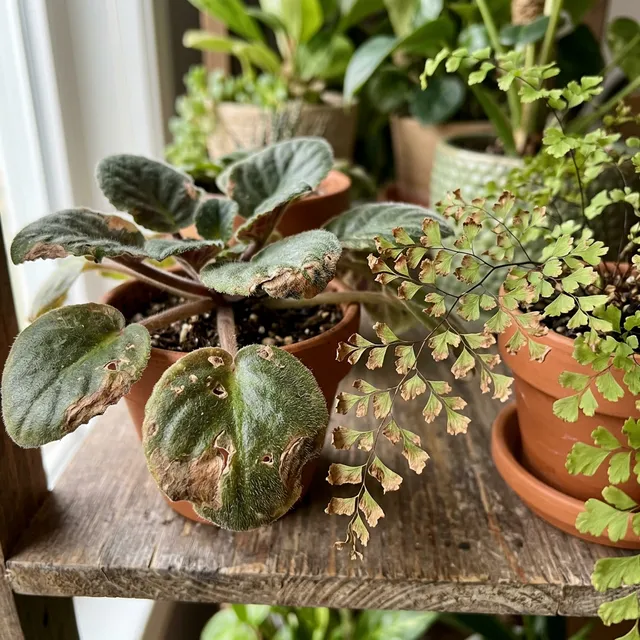 learn
learnPlants Sensitive to Insecticidal Soap
Not all plants can handle insecticidal soap. This complete list shows which plants are sensitive, how to protect them, and safer alternatives.
 guides
When to Spray Insecticidal Soap for Best Results
Timing is everything with insecticidal soap. Learn the best time of day, season, and growth stage to spray for maximum pest control.
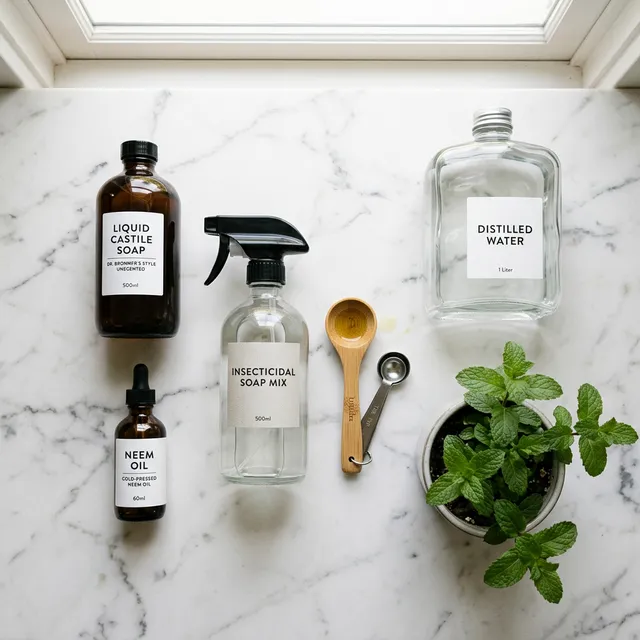 guides
How to Make Insecticidal Soap at Home
Core 3-ingredient method: 1 tablespoon unscented castile per quart, leaf-underside coverage, and the mixing mistakes that burn plants.