Plants Sensitive to Insecticidal Soap
Garden Soap Team
· Updated February 19, 2026 · 8 min read
Why Plant Sensitivity Matters
Insecticidal soap kills insects by dissolving the waxy cuticle that protects their bodies. The problem? Plants have a similar waxy coating (called the epicuticular wax layer) that protects their leaves from dehydration and UV damage.
When soap strips away this plant cuticle, the result is phytotoxicity, chemical damage that appears as:
- Yellowing or browning leaves
- Dry, crispy leaf edges
- Dropped leaves
- Stunted growth
Understanding which plants are at risk helps you choose the right approach for pest control.
High Sensitivity, Avoid Soap ❌
These plants should generally not be treated with insecticidal soap at standard concentrations. The risk of damage outweighs the pest control benefit.
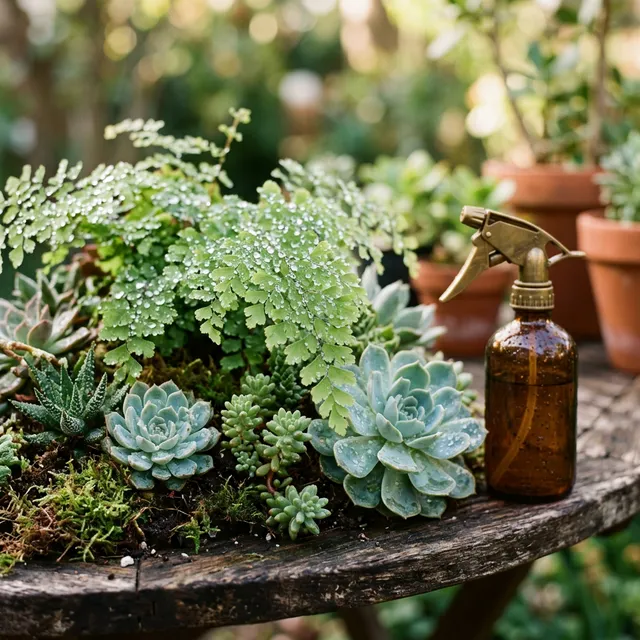
Succulents and Cacti
- All Echeveria species, farina (powdery coating) stripped permanently
- Jade plants, leaf drop and scarring
- Aloe vera, surface damage visible within hours
- Cacti, soap enters stomata and causes cell damage
- Sedums, thin leaves burn quickly
- Lithops, nearly always fatal
- Haworthia, window leaves become permanently clouded
Ferns
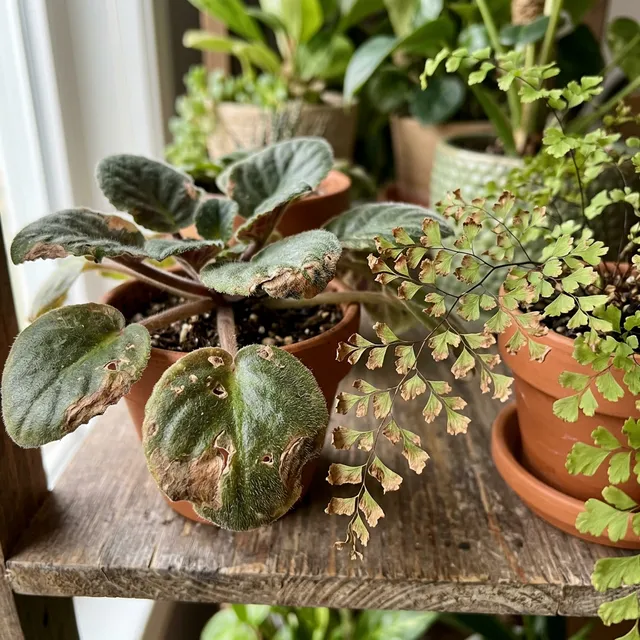
- Maidenhair fern, extremely sensitive, fronds die back
- Boston fern, browning within 24 hours
- Bird’s nest fern, waxy coating stripped
- Staghorn fern, damages felt-like covering
Other Highly Sensitive Plants
- African violets, hairy leaves trap soap, causing burns
- Lantana, severe leaf damage
- Sweet peas, delicate petals destroyed
- Nasturtiums, thin leaves dehydrate rapidly
- Crown of thorns, latex system disturbed
- Bleeding hearts, delicate compound leaves
Moderate Sensitivity, Use Half Strength ⚠️
These plants can tolerate insecticidal soap but require half the normal concentration (0.5-1 tablespoon per quart) and a 48-hour patch test.
Trees and Shrubs
- Japanese maple, fine leaves discolor in heat
- Mountain laurel, waxy leaves but thin cuticle
- Azaleas, spray only when cool and shaded
- Gardenias, develop leaf spots at full strength
- Crepe myrtle, new growth is especially sensitive
Flowers
- Impatiens, soft tissue, water-logged cells
- Begonias, waxy coating varies by variety
- Portulaca, succulent-like tissue
- Geraniums, fuzzy leaves trap soap residue
- Petunias, some varieties sensitive to soap concentration
Edibles
- Seedlings under 2 weeks, all species, cuticle not developed
- Pea plants, thin leaves and tendrils vulnerable
- Spinach, soft leaves, spray in cool conditions only
- Lettuce, delicate leaves, use only in emergencies
- Grape vines, new growth more sensitive
Low Sensitivity, Generally Safe ✅
These plants tolerate standard insecticidal soap concentrations well:
| Category | Safe Plants |
|---|---|
| Vegetables | Tomatoes, peppers, squash, cucumbers, beans, broccoli, cabbage, corn, eggplant |
| Herbs | Basil, rosemary, thyme, oregano, dill, parsley, sage, mint |
| Flowers | Roses, marigolds, zinnias, sunflowers, coneflowers, black-eyed Susans, daylilies |
| Houseplants | Pothos, spider plants, philodendrons, rubber plants, prayer plants, Chinese evergreen |
| Trees | Most deciduous fruit trees, maple (except Japanese), oak, birch |
💡 Tip: Even “safe” plants should get a patch test if you’re spraying for the first time. Environmental conditions (heat, drought, disease) can make any plant more sensitive. Not sure which soap to use? Start with our soap selection guide.
Factors That Increase Sensitivity
Any plant becomes more vulnerable to soap damage under these conditions:
Environmental Stress
- Heat above 85°F, plant cells are already struggling to maintain hydration
- Drought stress, wilting plants are extra vulnerable, water first
- Recent transplanting, roots haven’t established, plant can’t recover moisture
- Intense sunlight, wet soap + strong sun = magnified burning
Plant Condition
- New growth, always more sensitive than mature foliage
- Hairy/fuzzy leaves, trichomes trap soap droplets in concentrated spots
- Already diseased, compromised cell walls can’t withstand additional stress
- Recently fertilized, soft, fast growth is less protected
Alternatives for Sensitive Plants
When soap isn’t safe, try these methods:
Physical Removal
- Strong water spray, dislodge aphids and mites with a garden hose
- Hand picking, for visible pests like mealybugs
- Compressed air, gently blow pests off houseplants
Biological Control
- Ladybugs, release for aphid control
- Lacewing larvae, general predators
- Parasitic wasps, tiny wasps that target specific pests
- Predatory mites, for spider mite problems
Barriers and Traps
- Yellow sticky traps, for whiteflies and fungus gnats
- Diatomaceous earth, for crawling insects (not on wet foliage)
- Copper tape, for slugs and snails around pot rims
- Row covers, physical barrier for outdoor beds
Minimal-Contact Methods
- Cotton swab alcohol, dot individual mealybugs without spraying the whole plant
- Neem oil drench, pour diluted neem oil concentrate into soil for systemic pest control (avoids leaf contact)
- Beneficial nematodes, soil treatment for fungus gnats and root pests
For a complete approach, see our guide to Integrated Pest Management for Beginners. You can also explore natural pest control methods that don’t rely on spray contact at all.
Quick Decision Guide
Is your plant on the "High Sensitivity" list?
├── Yes → DO NOT use soap. Try physical removal or biological control
└── No → Is your plant on the "Moderate Sensitivity" list?
    ├── Yes → Use HALF concentration + 48hr patch test
    └── No → Use standard concentration with patch test
        └── Spray healthy, hydrated plants in cool conditions
Related Articles
Frequently Asked Questions
Why are some plants sensitive to insecticidal soap? ▼
Plants with thin cuticles (waxy leaf coating), hairy leaves, or those under stress are more vulnerable. The soap strips the protective wax layer, causing moisture loss and cell damage — essentially the same way it kills insects.
Can I use insecticidal soap on succulents? ▼
Use extreme caution. Succulents have a thin, specialized waxy coating (farina) that insecticidal soap can strip away permanently. If you must treat succulents, use half concentration and the cotton swab method on individual pests.
Is there an alternative for sensitive plants? ▼
Yes. For sensitive plants, try: manual pest removal with a strong water spray, introducing beneficial insects (ladybugs), sticky traps for flying pests, or diatomaceous earth around the base for crawling insects.
 ✓
✓ The Garden Soap Team writes every recipe and guide on this site. Formulas follow published horticultural guidance — university extension resources, the UC IPM program, and OMRI standards — and we cross-check concentrations and plant-safety warnings against documented gardener experience before publishing. No harsh chemicals, no guesswork passed off as expertise.
📚 Related Articles
 guides
Insecticidal Soap Plant Safety Guide
Insecticidal soap is gentle — but not on every plant. Learn which plants are sensitive, how to protect them, and safe application tips.
 learn
learnWhat Is Insecticidal Soap and How Does It Work?
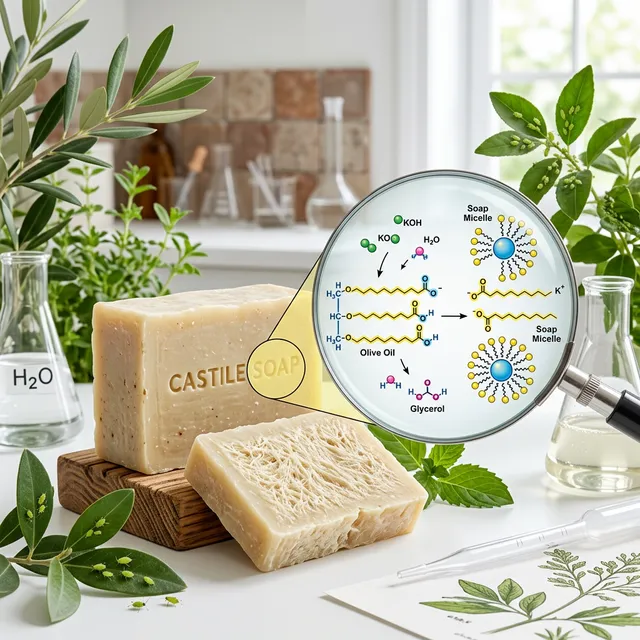
Potassium salts of fatty acids dissolve soft-bodied cuticles on contact. Why aphids die and beetles don't — and why dry soap has zero residual.
 guides
Best Soap for Insecticidal Spray (and What to Avoid)
True castile vs dish detergent: unscented liquid soap at 1 tablespoon per quart. Dawn and “ultra” bottles strip leaf wax.