How to Make Insecticidal Soap at Home: Complete DIY Recipe
Garden Soap Team
· 8 min read
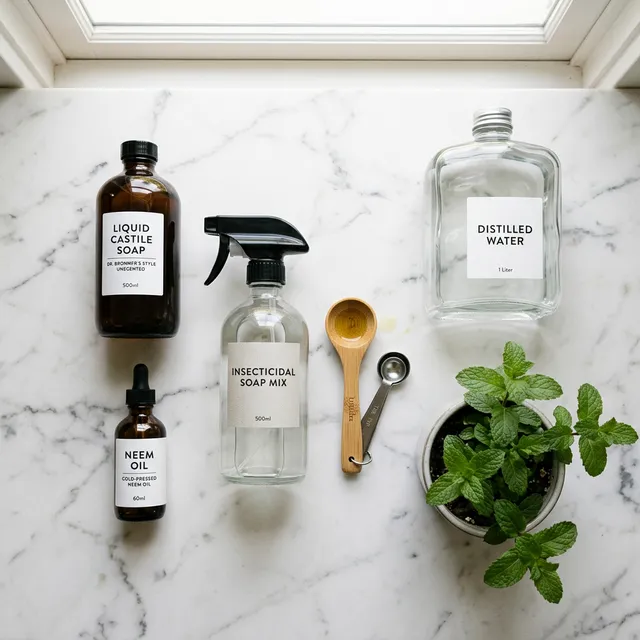
Executive Summary: An effective DIY insecticidal soap is a natural, contact-based pest control solution that dissolves the cellular membranes and protective waxy cuticles of soft-bodied insects. To make a safe 1% concentration spray, mix 1 tablespoon of pure liquid Castile soap with 1 quart of distilled water. Never use synthetic dish soaps or detergents, which can strip plant cuticles and cause severe foliage damage. Always conduct a 48-hour patch test before spraying entire plants.
This page is the expanded-ratio + patch-test guide. Use it when you need 0.5% / 1% / 2% / gallon math and a 48-hour leaf test before a full bed spray. The shorter core 3-ingredient walkthrough is How to Make Insecticidal Soap at Home. The recipe-card / Q&A format is How to Make a DIY Insecticidal Soap Recipe. The ingredients-sidebar kitchen card is Basic Castile Insecticidal Soap Spray.
Introduction: Why Make Your Own Insecticidal Soap?
Managing garden pests naturally can be a challenge. Commercial chemical pesticides often pose risks to beneficial pollinators, pets, and children, and can lead to pests developing chemical resistance.
This is why DIY insecticidal soap is a popular alternative for organic gardeners. It is inexpensive, easy to prepare, biodegradable, and highly effective against soft-bodied pests. By making your own spray, you control the ingredients, ensuring that no synthetic chemical residues end up on your home-grown vegetables or ornamental plants. If you want the shorter ratio-focused walkthrough, start with our DIY insecticidal soap recipe. For the mixing method we use most often, see the basic castile soap spray.
However, success depends on using the correct ingredients and ratios. Simply mixing any household soap with tap water can harm your plants. This guide covers the science behind insecticidal soaps, explains how to choose the right soap base, provides a step-by-step recipe, and outlines application guidelines to keep your garden healthy.
How Insecticidal Soap Works
Unlike systemic chemical pesticides that are absorbed by the plant and poison feeding insects, insecticidal soap is a contact-based mechanical killer. It has no residual effect once it dries.
graph TD
    A[Soap Solution Sprayed] --> B[Contacts Soft-Bodied Pest]
    B --> C[Dissolves Waxy Protective Outer Cuticle]
    B --> D[Disrupts Cellular Membrane Integrity]
    C --> E[Rapid Loss of Body Fluids]
    D --> F[Cellular Collapse & Suffocation]
    E --> G[Pest Dehydration & Death]
    F --> G
The active agents in true soaps are potassium salts of fatty acids. These molecules target soft-bodied pests through several mechanisms:
- Cuticle Dissolution: Soft-bodied insects rely on a thin, waxy outer layer (cuticle) to retain moisture. The lipophilic tail of the soap molecule binds to this waxy layer, dissolving it and causing the insect to rapidly lose body fluids and dehydrate.
- Cellular Membrane Disruption: Once the outer cuticle is breached, the soap penetrates the insect’s outer membrane, disrupting cell function and leading to cell lysis (cell collapse).
- Tracheal Blockage: The soapy film covers the insect’s spiracles (breathing pores), blocking gas exchange and causing suffocation.
Because of this physical mode of action, insecticidal soap is highly effective against soft-bodied pests but generally safe for hard-bodied beneficial insects like adult ladybugs, lacewings, and honeybees, provided they are not sprayed directly while the solution is wet.
The Core Ingredient: Pure Castile Soap vs. Dish Detergent
The most common mistake when making DIY insecticidal soap is using the wrong type of soap.
Why Pure Castile Soap is Essential
True soap is created through saponification—a chemical reaction between vegetable oils or animal fats and an alkali (typically potassium hydroxide for liquid soaps). Castile soap is a vegetable oil-based true soap made from olive, coconut, hemp, or jojoba oils. It contains natural potassium salts of fatty acids, which target pests while remaining gentle on plant tissues when diluted. Our best soap for insecticidal spray guide explains which bottles to buy and which to skip.
- Recommended Castile Soap: Dr. Bronner’s Unscented Pure-Castile Liquid Soap is the gold standard for gardening because it contains no added synthetic fragrances, dyes, or preservatives that could irritate sensitive foliage.
The Danger of Dish Detergents (e.g., Dawn, Palmolive)
Most household “soaps,” including dishwashing liquids, hand soaps, and laundry detergents, are not actually soaps. They are synthetic detergents formulated with petroleum-based surfactants.
Dish detergents are designed to strip grease from pots and pans. When sprayed on plants, they strip away the foliar cuticle—the protective waxy layer on the leaves. Without this layer, the plant cannot regulate moisture loss, resulting in:
- Phytotoxicity: Chemical burns that appear as brown, scorched spots or margins on the leaves.
- Dehydration: Wilting and leaf drop due to rapid water loss.
- Vulnerability: Increased susceptibility to bacterial, fungal, and viral infections.
| Feature | Pure Castile Soap (True Soap) | Dish Detergent (Synthetic) |
|---|---|---|
| Chemical Base | Saponified natural plant oils (fatty acids). | Petroleum-derived synthetic surfactants. |
| Action on Pests | Targets pest membranes selectively. | Non-selective chemical stripping. |
| Plant Cuticle Safety | High (when properly diluted). | Low (strips protective leaf waxes). |
| Additives | None (in unscented options). | Degreasers, synthetic dyes, and heavy fragrances. |
| Biodegradability | 100% biodegradable and soil-safe. | Slow degradation; may contain phosphates. |
The Ultimate DIY Insecticidal Soap Recipe
To make a safe, effective 1% soap solution, follow these ratios.
Ingredients and Tools:
- Soap Base: 1 tablespoon of Dr. Bronner’s Unscented Castile Soap.
- Water: 1 quart of distilled, demineralized, or rainwater.
- Optional Adjuvant: 1 teaspoon of organic cold-pressed neem oil (acts as an insect growth regulator and improves adhesion).
- Sprayer: A high-quality, adjustable trigger spray bottle, such as the Harris Professional Spray Bottle, to ensure a fine, consistent mist.
Step-by-Step Preparation:
- Select the Water: Fill your spray bottle with 1 quart of lukewarm distilled water. Using distilled water or rainwater is important because the minerals in hard tap water (calcium and magnesium) react with castile soap, creating soap scum that reduces the spray’s effectiveness.
- Add the Soap: Measure and pour 1 tablespoon of liquid Castile soap into the water.
- Include Additives (Optional): If using neem oil, add 1 teaspoon to the mix. The soap will act as an emulsifier to help mix the oil and water.
- Mix Gently: Close the spray bottle and shake gently to combine the ingredients. Avoid vigorous shaking to prevent excessive foaming.
- Label the Bottle: Mark the bottle with the contents and date. Use the solution within 24 to 48 hours for best results, as homemade mixtures lack preservatives and can degrade over time. For shelf life and leftover-mix rules, see does homemade insecticidal soap expire.
Quick Reference Ratio Table
| Solution Strength | Castile Soap Volume | Water Volume (Distilled) | Best For |
|---|---|---|---|
| 0.5% (Gentle) | 1.5 teaspoons | 1 quart (32 oz) | Seedlings, delicate ferns, and herbs. |
| 1.0% (Standard) | 1 tablespoon | 1 quart (32 oz) | Aphids, spider mites, thrips, whiteflies. |
| 2.0% (Max Strength) | 2 tablespoons | 1 quart (32 oz) | Hardier plants with heavy pest infestations. |
| 1.0% (Large Batch) | 4 tablespoons (1/4 cup) | 1 gallon (128 oz) | Large vegetable beds or fruit trees. |
Targeted Pests: What Does It Kill?
DIY insecticidal soap is effective against soft-bodied arthropods that lack hard, protective shells or waxy armor.
                                   EFFECTIVENESS PROFILE
   [High Control] -----------------------------------------------------> [Low Control]
   Aphids          Spider Mites    Thrips         Whiteflies    Mealybugs     Beetles
(Exposed) (Webbing areas) (Foliar runs) (Flying clouds) (Waxy shells) (Hard elytra)- Aphids: These small, sap-sucking pests reproduce quickly. The soap spray dissolves their outer membranes, providing immediate control. See insecticidal soap for aphids for colony-targeting technique.
- Spider Mites: These tiny arachnids live on the undersides of leaves and spin fine webbing. Soap spray penetrates the webs and dehydrates both adults and nymphs.
- Thrips: Slender insects that feed on leaves and flowers. Direct contact with the spray controls active populations on foliage.
- Whiteflies: Tiny, moth-like pests that gather on the undersides of leaves. The spray targets both the nymphs (crawlers) and adults on contact.
- Mealybugs: Soft-bodied insects that produce a white, cottony wax coating. While the wax provides some protection, a thorough application of soap spray can penetrate this barrier. Pair this recipe with the mealybug-specific soap method when the wax coating is thick.
- Scale Insects (Crawlers only): Mature scale insects have a hard, waxy shell that protects them from contact sprays. However, the immature “crawler” stage is vulnerable to insecticidal soap.
Note: This spray is not effective against hard-shelled pests like adult beetles, caterpillars, or squash bugs, as their thick exoskeletons resist membrane-disrupting agents.
How to Apply Insecticidal Soap Safely
Improper application is the primary cause of plant damage. Follow these steps for safe, effective pest control:
1. Perform a Patch Test
Before spraying an entire plant, apply the solution to two or three leaves. Wait 48 hours and check for signs of phytotoxicity, such as yellowing, spotting, leaf curling, or brown, crispy edges. If the leaves look healthy, you can proceed with a full application.
2. Time Your Spraying
Never spray in direct sunlight, high heat (above 85°F / 29°C), or very dry conditions. Under these conditions, the water evaporates quickly, leaving a concentrated soap residue on the leaves that can cause chemical burns.
- Ideal Timing: Spray in the early morning or late evening. This allows the spray to remain wet longer, increasing contact time with pests, and minimizes the risk of leaf burn. Our when to spray insecticidal soap guide covers temperature, rain, and pollinator windows.
- Pollinator Safety: Morning and evening spraying also helps protect active pollinators like bees, which are less likely to be present during these hours.
3. Ensure Thorough Coverage
Because the spray must make direct contact with the pests to work, thorough application is essential.
- Top and Bottom: Spray both the tops and bottoms of the leaves. Many pests, particularly spider mites and whiteflies, live and feed on the undersides of foliage.
- Stems and Crevices: Spray stems, leaf joints, and new growth where pests often cluster.
- Dripping Wet: Apply the solution until it runs off the leaves.
4. The Post-Spray Rinse (Optional but Recommended)
For sensitive plants, or when spraying in warm weather, rinse the foliage with clean water 1 to 2 hours after application. By this time, the soap will have killed the target pests, and rinsing removes the remaining residue to prevent leaf burn.
Preventing Plant Damage (Phytotoxicity)
Some plants are naturally sensitive to soap-based sprays. Review insecticidal soap plant safety and the plants sensitive to insecticidal soap list before a first full-plant spray. Avoid using DIY insecticidal soap on:
- Wax-coated plants: Plants with a bluish or dusty waxy bloom on their leaves (such as certain succulents, eucalyptus, or blue spruce). The soap will dissolve this protective coating.
- Delicate foliage: Ferns, sweet peas, crown of thorns, bleeding hearts, nasturtiums, and young seedlings.
- Stress-weakened plants: Do not spray plants that are already suffering from drought, severe wilt, or heat stress, as they are more susceptible to chemical damage.
Symptoms of Soap Burn
If your plant is reacting poorly to the spray, you will see symptoms within 24 to 48 hours:
- Leaf Spotting: Small yellow or brown spots where soap droplets dried.
- Marginal Burn: Dry, crispy brown edges along the leaves.
- Defoliation: Premature shedding of leaves, particularly older ones.
If you notice these signs, rinse the plant immediately with clean water and dilute your soap solution further (to 0.5%) for future applications.
Key Takeaways
- Use True Soap: Always use pure liquid Castile soap (such as Dr. Bronner’s Unscented). Never use synthetic dish soaps or detergents, which can strip plant cuticles and cause leaf burn.
- Maintain Safe Ratios: Stick to a 1% dilution rate (1 tablespoon of Castile soap per 1 quart of water) to balance pest control and plant safety.
- Use Soft Water: Mix the solution with distilled water or rainwater. Hard water minerals reduce the soap’s effectiveness.
- Spray on Contact: Apply the spray directly to pests. Once dried, the solution has no residual effect.
- Test and Time: Always perform a 48-hour patch test, and spray in the early morning or late evening to avoid heat-induced plant damage.
Listing checks before you buy
Amazon titles for “castile,” “neem extract,” and “garden sprayer” do not encode a safe ratio. These are Garden Soap Team label checks for the expanded-ratio page — not a product test.
- True soap, stated ratio: The bottle should be unscented liquid castile (or potassium salts of fatty acids). The tank rate on this page is 0.5% / 1% / 2% — not “a glug.” Dish-soap and “ultra” listings belong in the what to avoid column.
- Soft water first: Distilled or rainwater. Hard tap water is why a 1% mix looks weak. If you will not buy distilled water, a labeled concentrate from the buying guide is the more forgiving spend.
- Patch test before a gallon batch: The 48-hour leaf test is the reason this page exists. Do not buy a 2-gallon sprayer to skip it. The shorter core 3-ingredient method is enough for a first quart.
- Neem is an add-in: Listings labeled “neem oil extract” or clarified hydrophobic extract are not a substitute for coverage. Compare mechanisms on insecticidal soap vs neem oil. The kitchen card is Basic Castile Insecticidal Soap Spray.
Recommended Products for this Recipe
- Premium Castile Soap: Dr. Bronner’s Unscented Pure-Castile Liquid Soap (Natural vegetable-oil base, safe for garden applications).
- Organic Neem Oil Additive: Garden Safe Cold-Pressed Neem Oil Extract (Enhances insecticidal action and repels pests).
- Heavy-Duty Spray Bottle: Harris Professional 32 oz Spray Bottle (Adjustable nozzle for fine misting and durability).
Frequently Asked Questions
Can I use Dawn dish soap to make insecticidal soap? ▼
No. Dawn and similar products are synthetic detergents, not true soaps. They contain degreasers, surfactants, synthetic fragrances, and colorants that strip the protective waxy cuticle from plant leaves, leading to chemical burns and dehydration.
Does DIY insecticidal soap kill ladybugs and other beneficial insects? ▼
Yes, it can kill beneficial insects if sprayed directly on them while wet because it works by suffocation and membrane disruption. However, once the spray dries, it has no residual toxicity. To protect pollinators, spray in the early morning or late evening when they are not active.
How often should I spray my plants with DIY insecticidal soap? ▼
For an active pest infestation, spray every 5 to 7 days. This timeline target new pest generations as they hatch. Do not spray more frequently than this, and stop spraying once the pest population is under control to avoid cumulative plant stress.
Do I need to wash the soap off my plants after spraying? ▼
Washing the soap off is not strictly necessary but is highly recommended, especially for sensitive plants or during hot weather. Rinsing the foliage with clean water 1 to 2 hours after spraying will wash away soap residue while still killing the pests on contact.
Can I use hard tap water to mix my insecticidal soap? ▼
It is not recommended. Hard water contains high levels of calcium and magnesium, which bind to the soap molecules, causing them to precipitate out as soap scum. This reduces the effectiveness of the spray and leaves a white residue on the leaves. Use distilled, demineralized, or rainwater instead.
 ✓
✓ The Garden Soap Team writes every recipe and guide on this site. Formulas follow published horticultural guidance — university extension resources, the UC IPM program, and OMRI standards — and we cross-check concentrations and plant-safety warnings against documented gardener experience before publishing. No harsh chemicals, no guesswork passed off as expertise.
📚 Related Articles
guidesHow to Make Insecticidal Soap at Home
Core 3-ingredient method: 1 tablespoon unscented castile per quart, leaf-underside coverage, and the mixing mistakes that burn plants.
guidesHow to Make a DIY Insecticidal Soap Recipe: Specific Benefits
Recipe-card ratios for aphids and spider mites: 1 tbsp castile per quart of distilled water, plus the rinse window that limits leaf burn.
 recipes
Basic Castile Insecticidal Soap Spray
The simplest and most effective homemade insecticidal soap recipe using pure castile soap. Works on aphids, whiteflies, and spider mites.