Best Spray Bottles for Garden Use
Garden Soap Team
· 8 min read
Why Your Spray Bottle Matters
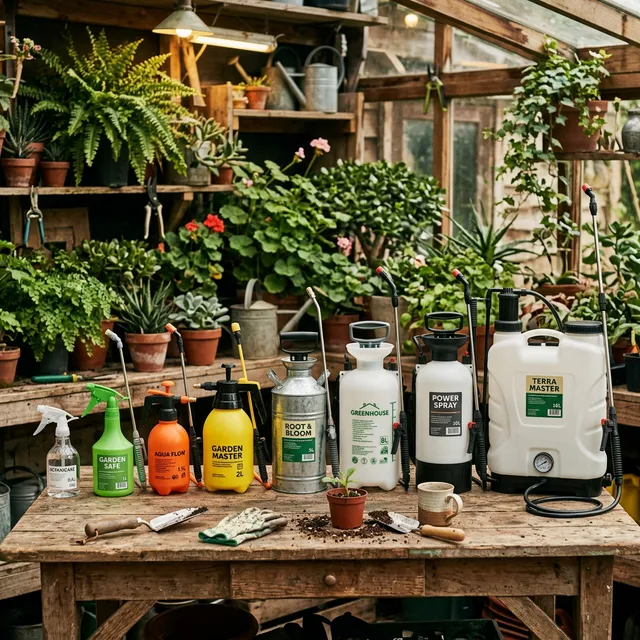
The best insecticidal soap recipe in the world is useless if your spray bottle can’t deliver it to the pests. A good sprayer provides:
- Fine, even mist that coats leaf undersides
- Adjustable nozzle for targeted vs broad coverage
- Comfortable trigger that doesn’t cause hand fatigue
- Chemical-resistant seals that won’t degrade with soap
Garden Soap Team buying notes
A bottle is a delivery tool. Buy the smallest sprayer that will wet the undersides of the plants you actually have.
- When DIY is enough: A dedicated 32 oz trigger bottle covers houseplants and a patio. Buy a 1-gallon pump when trigger fatigue starts skipping leaf undersides — not because a listing is “heavy duty.” You do not need a new soap brand to fix a bad sprayer.
- Soft water vs hard water: Hard water plus soap foam is the usual clog story. Mix in distilled water, swirl instead of shaking, and rinse the nozzle after every use. Vinegar soaks fix mineral scale; they do not fix leftover mix stored for a week.
- Plant sensitivity: Fine mist for succulents, ferns, and indoor foliage. A coarse stream bruises tender leaves and dumps too much soap in one spot. Never reuse a bleach or glass-cleaner bottle unless you have rinsed it like lab glassware.
- Concentration: The bottle does not set the rate — you do. 1 tablespoon of castile per quart in the tank. Mix fresh; diluted homemade soap is not shelf-stable.
Our Top Picks
Best for Houseplants: 32 oz Fine Mist Sprayer
Check price on Amazon →Why we like it:
- Fine, consistent mist reaches tight spaces
- Clear bottle shows remaining solution
- Adjustable nozzle: mist to stream
- Easy one-hand operation
- Affordable enough to dedicate one to soap spray
Best for: 1-10 houseplants, targeted spot treatments, small container gardens.
Limitations: Hand fatigue after extended spraying. Not practical for large outdoor gardens.
Best for Small Gardens: 1-Gallon Pump Sprayer
Check price on Amazon →Why we like it:
- Pump action eliminates trigger fatigue
- 1-gallon capacity covers a 10-20 plant garden in one fill
- Adjustable brass nozzle for fine mist to targeted stream
- Shoulder strap for hands-free carrying
- Pressure holds for consistent spray output
Best for: Small to medium vegetable gardens, rose beds, mixed ornamental gardens.
Limitations: Heavier when full. Needs periodic re-pumping.
Best for Large Gardens: 2-Gallon Backpack Sprayer
Why we like it:
- Hands-free operation with wand applicator
- 2-gallon capacity covers large gardens without refilling
- Ergonomic backpack design distributes weight evenly
- Professional-grade nozzle for precise coverage
- Reach high spots on fruit trees and tall plants
Best for: Large vegetable gardens, orchards, mixed field beds, commercial growers.
Limitations: More expensive. Overkill for a few houseplants.
Comparison Table
| Feature | 32 oz Trigger | 1-Gal Pump | 2-Gal Backpack |
|---|---|---|---|
| Capacity | 32 oz | 1 gallon | 2 gallons |
| Coverage | 1-10 plants | 10-30 plants | 30-100+ plants |
| Hand fatigue | High (extended use) | Low | None |
| Reach | Arm’s length | Wand extends ~2 ft | Wand extends ~3 ft |
| Weight (full) | ~2 lbs | ~9 lbs | ~18 lbs |
| Price range | $5-15 | $15-30 | $30-60 |
| Best for | Houseplants | Small garden | Large garden |
Features to Look For
Nozzle Adjustability
The most important feature. You need:
- Fine mist for general coverage and leaf undersides
- Focused stream for targeting individual pest colonies
- Off position to prevent drips when not spraying
Chemical Resistance
Cheap plastic sprayers degrade with soap solutions. Look for:
- HDPE or polypropylene bottles (resistant to soap)
- Viton or EPDM seals (won’t swell or crack)
- Brass or stainless nozzle components
Easy Cleaning
Soap residue clogs nozzles over time. Choose sprayers with:
- Removable nozzle tips
- Wide-mouth fill openings
- Transparent/translucent bottles (see when clean)
Sprayer Care Tips
Keep your sprayer working reliably:
- Rinse after every use. Fill with clean water, spray until clear, then empty.
- Clean nozzles monthly. Soak removable nozzle parts in warm water and vinegar for 30 minutes.
- Don’t store mixed solution. Insecticidal soap loses effectiveness when stored. Mix fresh each time.
- Label your sprayer. Keep one dedicated to insecticidal soap. Never use the same sprayer for herbicides or household chemicals.
- Store upside down. Prevents residual soap from drying in the nozzle.
Sprayer Mistakes to Avoid
| Mistake | Why It’s a Problem | Fix |
|---|---|---|
| Shaking vigorously | Creates foam that clogs nozzle | Swirl gently instead |
| Using old chemical bottles | Residue harms plants | Buy new or rinse 4+ times |
| Not cleaning after use | Soap deposits clog mechanism | Rinse immediately |
| One sprayer for everything | Cross-contamination risk | Dedicate sprayers by use |
| Spraying with low pressure | Poor coverage, wastes solution | Pump fully before spraying |
The Bottom Line
For most home gardeners, a 32 oz trigger sprayer for indoor plants and a 1-gallon pump sprayer for outdoor gardens covers all needs. Invest in quality, chemical-resistant models, a good sprayer lasts years and makes the difference between effective pest control and wasted effort.
How to mix and spray from a trigger bottle
A 32 oz bottle is a measuring cup with a nozzle. The bottle does not set the rate — the tablespoon does.
- Soap first, then water. One tablespoon unscented liquid castile per quart (~1%). Kitchen walkthrough: how to make insecticidal soap. Labeled concentrate: the printed ornamental or edible rate, not “a little extra for luck.”
- Swirl, do not shake. Foam is how a cheap trigger dies on the second plant. If you add oil or neem, emulsify the oil with a few drops of soap in a cup, then pour into the bottle.
- Set a true fine mist. Stream mode is for a single stem colony you can see. Fog that evaporates before it drips misses the cuticle.
- Flip the leaf. Start on the underside, coat until it drips, then do the top. Walking the pretty side first is how aphids survive a full bottle.
- Empty it the same day. Diluted soap is not shelf-stable. Leftover mix in a trigger is how seals swell and nozzles crust. Shelf-life note: does homemade insecticidal soap expire.
Rinse the bottle with clean water and spray until the output is clear. Store the empty bottle upside down so residue does not dry in the tip.
Pests a 32 oz bottle can actually wet
A trigger bottle is for reachable, soft-bodied colonies — houseplants, a patio tomato, the rose you can walk around. It is not a canopy tool.
- Yes, if you can wet them: aphids, whiteflies, spider mites, mealybug crawlers, indoor thrips you can see.
- Yes, but the bottle is only half the job: fungus gnat adults on the soil surface. Larvae need a drench or BTi, not a finer mist.
- No: Japanese beetles, cabbage worms, squash-bug adults, slugs. A better nozzle does not open a hard cuticle or a slime trail.
If you are climbing a fruit tree or walking a 20-plant bed, the hardware page is best garden sprayers for insecticidal soap. Fatigue skips undersides; that looks like “soap failed.”
Phytotoxicity from leftover chemicals and coarse mist
Most burned leaves after a “new bottle” are rate in the wrong place or yesterday’s cleaner still in the dip tube.
- Reused bleach, ammonia, or glass-cleaner bottles — rinse like lab glassware or buy new. Residual chlorine or surfactant is not a soap problem.
- Coarse stream on succulents, ferns, seedlings, or African violets puddles 1% in one spot and strips wax. Host list: plants sensitive to insecticidal soap.
- Hard-water spit from a scaled tip hits one leaflet too hard and misses the next. Distilled water in the tank plus a vinegar soak on the nozzle is cheaper than a second bottle.
- Midday fine droplets on a wilted indoor leaf cook. Dawn-or-evening only. Timing: when to spray insecticidal soap.
- One sprayer for soap and herbicide — that is not a $8 savings. Dedicate the bottle.
If a leaf bronzes within a day, rinse, drop toward 0.5% on that host, and check the nozzle before you blame the castile.
When a trigger bottle is the wrong tool
Upgrade when the bottle is the bottleneck, not when a listing says “professional.”
| Situation | Stay on 32 oz | Move to a pump |
|---|---|---|
| Houseplants / patio | Yes | No |
| One rose or a 4-foot bed | Maybe, if you finish undersides | Yes if your hand quits |
| Fruit tree over ~8 feet | No | Wand / backpack |
| Hose-end “soap” setting | Never | Never — hose-end cannot hold 1% |
A 2-gallon backpack for three pothos is how gardeners buy foam, leftover mix, and a sore back. Buy the smallest sprayer that will wet the plants you actually have.
Buying criteria for a garden spray bottle
Shop the wet underside, not the “heavy duty” badge.
- Adjustable tip that can mist. Plastic-only tips oval out after a season of soap. Brass or a replaceable nozzle lasts longer.
- Clear or translucent body. You need to see leftover film and remaining mix. Opaque bottles hide last week’s dilution.
- Chemical-resistant seals (Viton or EPDM). Soap is mild on people and hard on the wrong elastomer.
- Dedicated to fatty-acid mix. Label it SOAP. The 32 oz listing already on this page is a houseplant tool; the 1-gallon pump listing is the garden upgrade.
- Water plan. Hard tap water plus soap is the usual clog story. Distilled water is part of the bottle purchase.
- Skip hose-end for insecticidal soap. Concentration is the safety feature.
Kit math (soap + bottle + water) is the buying guide. Brand bottles of potassium-salt concentrate: best insecticidal soaps. Kitchen vs labeled: homemade vs commercial.
Bottle questions that are not generic spray FAQ
Can pets drink from a bottle that still has mix in it? No. Empty the tank after the pass, rinse, and keep the trigger out of reach until the foliage is dry. Fatty-acid soap is a contact film, not a reason to leave a quart on the patio floor.
Does rain mean I need a “waterproof” bottle? No. Rain washes the film off the leaf. Respray when the plant is dry. A fancier trigger does not make soap residual. You need a few dry hours, not a 48-hour drought.
Should I store mixed soap in the bottle I just bought? No. Store the sealed castile or concentrate. Dump leftover dilution. A bottle that smells like last Tuesday’s mix is a clog waiting to happen.
Can I run fertilizer, neem, and soap through the same 32 oz trigger? Soap + a measured neem dose is a known kitchen combo. Soap + fertilizer + herbicide + “whatever is under the sink” is how seals swell and leaves cook. Rinse between jobs. Keep one bottle for soap.
We evaluate gardening and home guides independently. To learn more about our editorial standards, read our Editorial Policy.
Frequently Asked Questions
What type of spray bottle is best for insecticidal soap? ▼
A 32 oz trigger sprayer with adjustable nozzle works for most houseplants and small gardens. For larger gardens (10+ plants), upgrade to a 1-2 gallon pump sprayer for better coverage and less hand fatigue.
Can I reuse old cleaning spray bottles for insecticidal soap? ▼
Yes, but only if thoroughly rinsed 3-4 times with hot water. Any residual cleaning chemical (bleach, ammonia, glass cleaner) can damage plants. Buying a new bottle is safer and inexpensive.
Why does my spray bottle clog when using soap? ▼
Soap creates foam that clogs nozzles. Mix gently (swirl, don't shake) and use warm water. If using neem oil, add a few drops of soap first to emulsify, then water. Clean the nozzle after each use.
 ✓
✓ The Garden Soap Team writes every recipe and guide on this site. Formulas follow published horticultural guidance — university extension resources, the UC IPM program, and OMRI standards — and we cross-check concentrations and plant-safety warnings against documented gardener experience before publishing. No harsh chemicals, no guesswork passed off as expertise.
📚 Related Articles
 guides
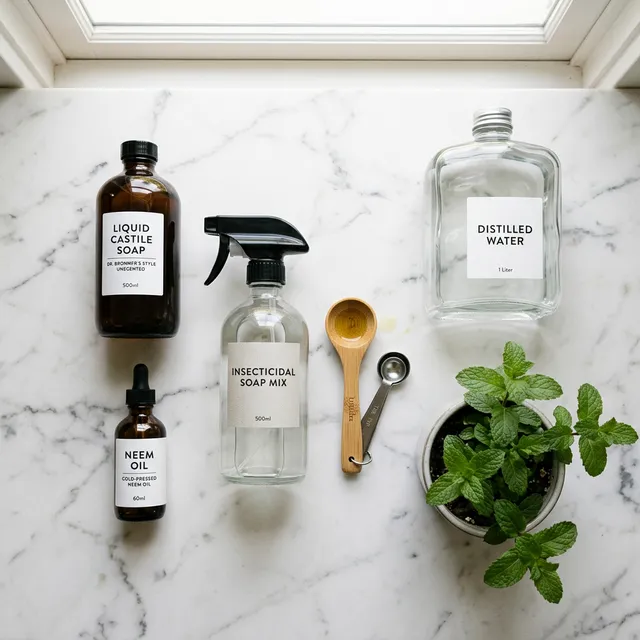
How to Make Insecticidal Soap at Home
Core 3-ingredient method: 1 tablespoon unscented castile per quart, leaf-underside coverage, and the mixing mistakes that burn plants.
 recipes
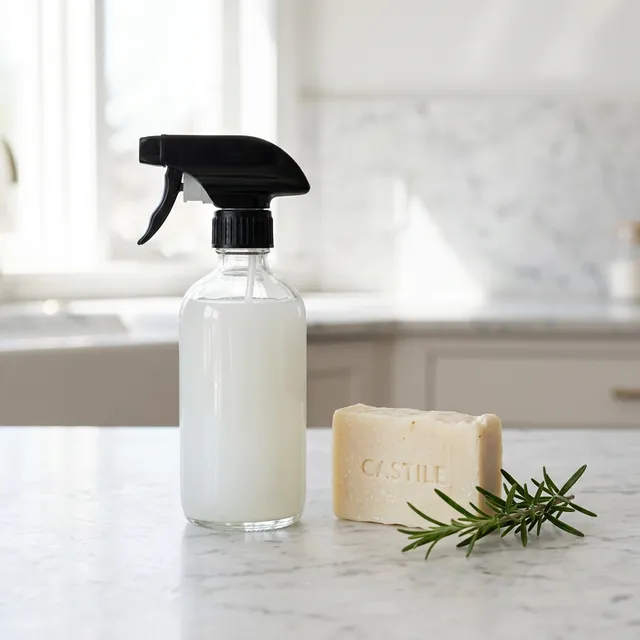
Basic Castile Insecticidal Soap Spray
The simplest and most effective homemade insecticidal soap recipe using pure castile soap. Works on aphids, whiteflies, and spider mites.
 guides
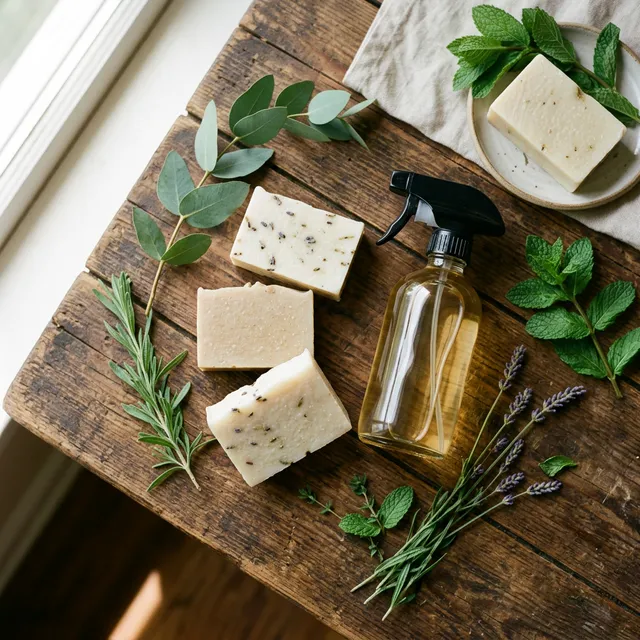
Best Insecticidal Soap: 5 Top Brands Compared
Safer concentrate vs RTU bottles: when kitchen castile is enough, when hard water argues for a labeled mix, and which format ships water.