Essential Oil Insecticidal Soap Spray
Adding essential oils to your insecticidal soap can boost effectiveness and repel pests. Here are the recipes that work and the ones that waste your oil.
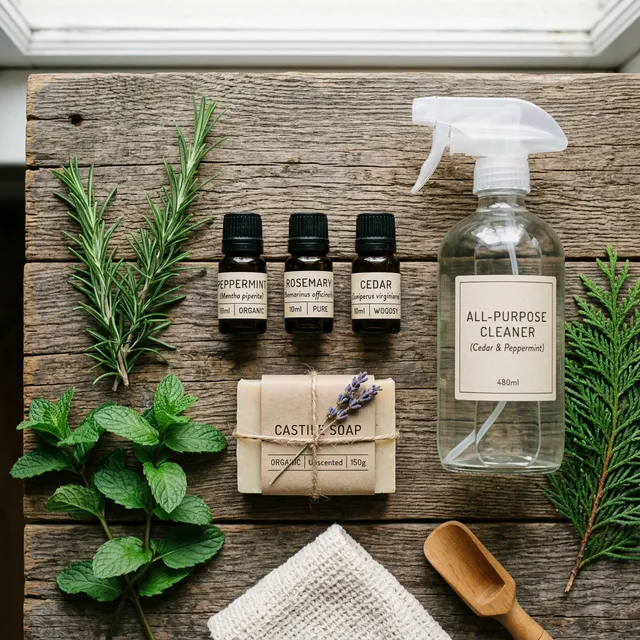
Do Essential Oils Actually Help?
The short answer: they add a repellent effect that plain soap spray alone doesn’t provide. Insecticidal soap kills on contact, but once it dries it has zero residual effect. Essential oils leave behind a scent that discourages some pests from returning to treated plants, extending the protection window between sprays.
However, the pest-killing power of your spray still comes from the soap, not the oils. Essential oils at garden-safe concentrations are repellents, not insecticides. Don’t expect them to replace proper soap concentration.
Which Essential Oils Work Best
Not all essential oils are equally useful in the garden. Here’s what the evidence supports:
| Essential Oil | Pest Effect | Plant Safety | Recommended? |
|---|---|---|---|
| Peppermint | Repels aphids, ants, spiders, mosquitoes | Moderate (can burn sensitive leaves) | ✅ Yes |
| Rosemary | Repels cabbage moths, spider mites | Good | ✅ Yes |
| Cedar | Repels ants, moths, some beetles | Good | ✅ Yes |
| Clove | Kills mites on contact, repels ants | Poor (burns many plants) | ⚠️ Caution |
| Lavender | Mild repellent, attracts pollinators | Good | ✅ Yes, but weak |
| Eucalyptus | Repels aphids and some beetles | Moderate | ✅ Yes |
| Tea tree | Antifungal, mild insect repellent | Moderate | ⚠️ Caution |
| Citronella | Repels mosquitoes only | Good | ⚠️ Limited use |
Recipes by Purpose
All-Purpose Pest Repellent Spray
- 1 tablespoon castile soap (Dr. Bronner’s Unscented recommended)
- 1 quart water
- 8 drops peppermint essential oil
- 5 drops rosemary essential oil
Best for: General garden pest repellent. The peppermint provides strong repellent effect; rosemary adds anti-mite properties.
Ant Deterrent Spray
- 1 tablespoon castile soap
- 1 quart water
- 10 drops peppermint essential oil
- 5 drops cedar essential oil
Best for: Spraying ant trails on plants and around garden beds. Won’t kill ant colonies but discourages foraging ants that protect aphid colonies.
Spider Mite Prevention Spray
- 1 tablespoon castile soap
- 1 quart water
- 10 drops rosemary essential oil
- 5 drops eucalyptus essential oil
Best for: Preventive application on plants prone to spider mite infestations during hot, dry weather.
How to Mix Essential Oil Soap Spray
Essential oils don’t dissolve in water. The soap acts as an emulsifier, binding the oil and water together:
- Add castile soap to your spray bottle first
- Add essential oils directly into the soap
- Swirl gently to combine oil and soap
- Fill with water slowly
- Shake gently before each use (oil separates over time)
Use within 24 hours. Essential oil sprays lose potency quickly. Mix only as much as you’ll use in a single session.
Safety Precautions
For Plants
- Never exceed 15 drops of essential oil per quart. More is not better. High concentrations cause phytotoxicity.
- Patch test every plant. Spray 3-5 leaves and wait 48 hours before full application.
- Avoid hot sun. Essential oils can magnify heat damage on leaves. Spray early morning only.
- Skip on edible herbs. Strongly scented essential oils can alter the flavor of basil, mint, and other herbs.
For Beneficial Insects
Essential oils are indiscriminate repellents. They repel helpful insects too:
- Avoid spraying when bees are active
- Don’t spray flowering plants with peppermint or cedar (pollinators avoid them)
- Lavender is an exception; it attracts pollinators while mildly repelling pests
For People and Pets
- Wear gloves when mixing concentrated essential oils
- Don’t spray near fish ponds or aquariums (some oils are toxic to fish)
- Keep cats away from sprayed plants for 24 hours (most essential oils are toxic to cats)
- Store essential oils safely away from children
When to Use Essential Oil Spray vs Plain Soap
| Situation | Use Plain Soap | Use Essential Oil Soap |
|---|---|---|
| Active infestation | ✅ Focus on killing | ⚠️ OK but soap does the work |
| Prevention/deterrence | Not effective | ✅ Repellent effect helps |
| Near harvest | ✅ No flavor impact | ⚠️ May affect flavor |
| Indoor plants | ✅ Less scent buildup | ⚠️ Strong scent indoors |
| Ant management | ⚠️ Kills on contact only | ✅ Repels from area |
| Between regular sprays | Not useful after drying | ✅ Residual scent deters |
Plain castile soap spray is your primary weapon. Essential oils are supplementary tools that extend protection between applications.
Essential Oils That Don’t Work
Some essential oils commonly recommended online have little evidence for garden pest control:
- Lemongrass: Minimal insect repellent effect when diluted to plant-safe levels
- Thieves oil blend: Marketing-driven product with no demonstrated garden use
- Cinnamon oil: Extremely phytotoxic, damages most plant leaves
- Oregano oil: Too aggressive for plant application; better for household use
Stick with peppermint, rosemary, and cedar for reliable results.
Common Questions
Is it safe to use this spray around pets and children? When used as directed, most homemade and commercial insecticidal sprays are much safer than synthetic alternatives. Always allow the solution to dry completely on the foliage before allowing pets or children back into the area.
How often should I reapply the treatment? For active infestations, applying every 4 to 7 days is generally recommended until the problem is under control. Once the pests are gone, you can reduce application to a bi-weekly preventative schedule.
Can I mix different garden treatments together? It is usually best to apply treatments separately unless explicitly directed by the manufacturer or the specific recipe. Mixing untested combinations can lead to unintended plant damage or reduced efficacy.
 ✓
✓ The Garden Soap Team writes every recipe and guide on this site. Formulas follow published horticultural guidance — university extension resources, the UC IPM program, and OMRI standards — and we cross-check concentrations and plant-safety warnings against documented gardener experience before publishing. No harsh chemicals, no guesswork passed off as expertise.
📚 Related Articles
 recipes
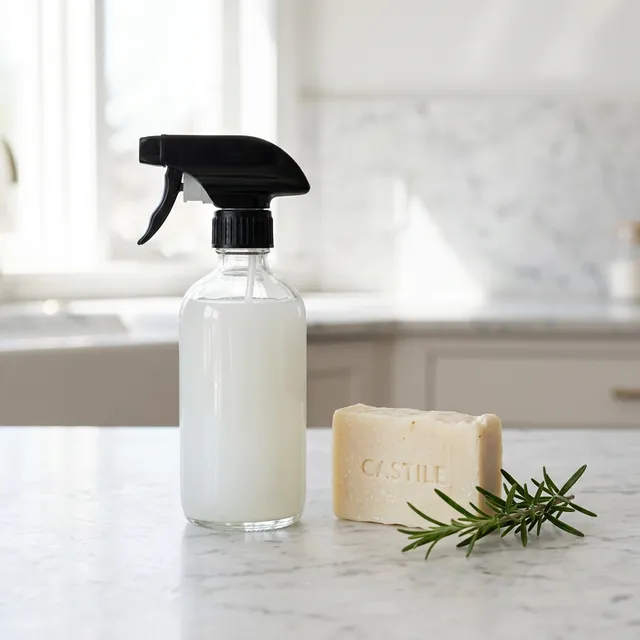
Basic Castile Insecticidal Soap Spray
The simplest and most effective homemade insecticidal soap recipe using pure castile soap. Works on aphids, whiteflies, and spider mites.
 recipes
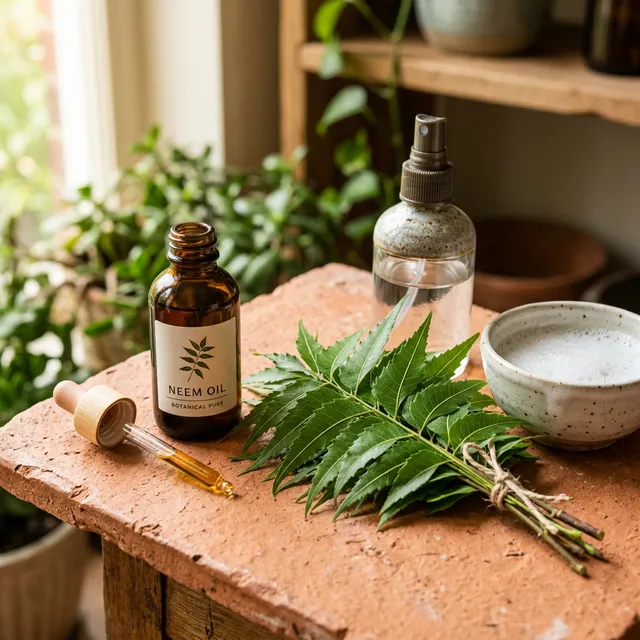
Neem Oil Insecticidal Soap Spray
Soap knocks pests down; neem adds a few days of feeding disruption. Mix ratios, evening timing, and when plain castile is still enough.
 recipes
Garlic Pepper Insecticidal Soap Spray
A powerful triple-action pest spray that kills on contact, repels with garlic, and deters with capsaicin. Great for gardens with persistent pest problems.