DIY Ant Killer: 5 Homemade Pesticide Recipes That Work
Destroy ant colonies with these 5 homemade killer recipes using borax, vinegar, and diatomaceous earth. Safe for inside the home.
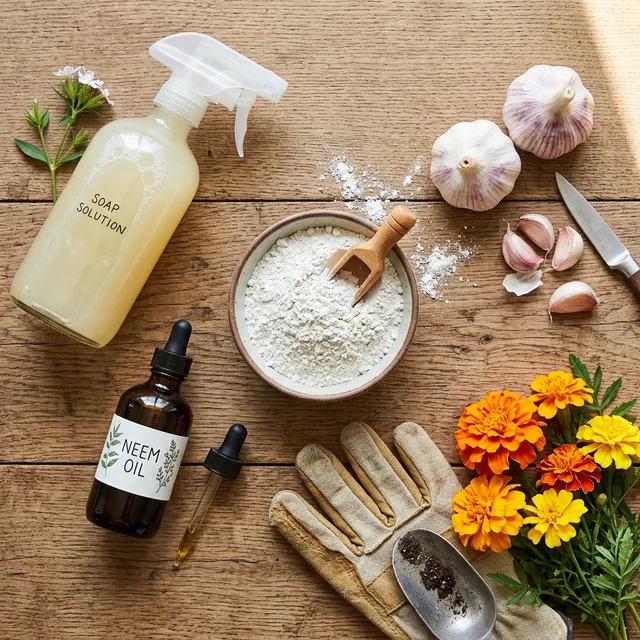
Commercial ant killers work. But if you have kids, pets, or just prefer knowing what’s in the mixture, these 5 homemade options cover both instant kill and colony elimination, the two approaches you need for a complete ant problem.
Key principle: Killing the ants you see doesn’t solve the problem. You need to kill the queen. The most effective homemade method is a slow-acting bait (borax + sugar) that worker ants carry back to the colony.
The Two Strategies: Kill on Contact vs. Kill the Colony
| Strategy | How It Works | Speed | Effectiveness |
|---|---|---|---|
| Contact kill (vinegar, soap, DE) | Kills individual ants immediately | Instant | ⭐⭐ Temporary |
| Colony kill (borax bait) | Workers carry poison to the queen | 2-7 days | ⭐⭐⭐⭐⭐ Permanent |
Best approach: Use a contact killer to manage the visible ants in your kitchen right now, then set borax baits to eliminate the colony over the next week.
Recipe 1: Borax & Sugar Ant Bait (Colony Killer)
This is the most effective homemade ant solution, period. It’s the same active ingredient (sodium tetraborate) used in commercial Terro liquid ant baits, at a fraction of the cost.
Ingredients
- ½ cup sugar
- 1½ tablespoons borax (20 Mule Team Borax, found in the laundry aisle)
- 1½ cups warm water
- Cotton balls
- Shallow container (jar lid or small dish)
Directions
- Dissolve sugar and borax in warm water. Stir until fully dissolved.
- Soak cotton balls in the solution.
- Place soaked cotton balls in shallow containers along ant trails and near entry points.
- Do not kill the ants you see. Let them feed and carry the bait back to the colony.
- Replace cotton balls every 2-3 days until ant activity stops (usually 5-10 days).
Why This Works
The sugar attracts worker ants. The borax concentration (3-5%) is low enough that ants don’t die immediately, they survive long enough to share the bait with nestmates and the queen through trophallaxis (mouth-to-mouth food sharing). When the queen dies, the colony collapses.
⚠️ Safety: Borax is low-toxicity to humans and pets in small amounts, but keep bait stations out of reach of children and animals. Place inside jar lids and push against walls where ants trail but kids and pets don’t reach.
Recipe 2: Vinegar & Water Contact Spray
Vinegar disrupts ant pheromone trails and kills on contact. This is your “right now” solution for the ants currently marching across your counter.
Ingredients
- 1 part white vinegar
- 1 part water
- Spray bottle
Directions
- Mix equal parts vinegar and water in a spray bottle.
- Spray directly on visible ants and along their trails.
- Wipe up dead ants and spray the trail again to erase the pheromone path.
- Re-spray entry points (window frames, door gaps, baseboards) daily.
Limitations
Vinegar kills individual ants and disrupts trails, but it does nothing to the colony. Combine this with borax bait (Recipe 1) for a complete solution.
Recipe 3: Diatomaceous Earth Barrier
Food-grade diatomaceous earth (DE) is microscopic fossilized algae that shreds insect exoskeletons on contact, causing dehydration and death within 24-48 hours.
Ingredients
- Food-grade diatomaceous earth (NOT pool-grade — pool-grade is heat-treated and dangerous to inhale)
- Puffer bottle or squeeze bottle for application
Directions
- Apply a thin, continuous line of DE along baseboards, window frames, door thresholds, and any gap where ants enter.
- Apply inside wall voids if accessible (around pipes, electrical outlets).
- Reapply after rain or mopping, DE stops working when wet.
Effectiveness
⭐⭐⭐⭐ for perimeter defense. DE works as a passive barrier, any ant that crosses it dies within 48 hours. Less effective as a colony killer since ants simply route around the barrier if they find an alternative path.
Recipe 4: Borax & Peanut Butter Bait (For Grease Ants)
Some ant species (especially small black ants and Argentine ants) prefer protein/grease over sugar. If the sugar bait from Recipe 1 isn’t attracting ants, switch to this protein-based version.
Ingredients
- 2 tablespoons peanut butter
- ½ tablespoon borax
- Piece of cardboard or jar lid
Directions
- Mix peanut butter and borax thoroughly.
- Spread a thin layer on cardboard pieces or jar lids.
- Place along ant trails. Replace every 3 days.
When to Use
If you set out the sugar bait and ants ignore it, you have a grease-ant species. Switch to this recipe immediately, these ants won’t respond to sugar at all.
Recipe 5: Dish Soap & Water Spray
Dish soap breaks the waxy coating on ant exoskeletons, causing them to dehydrate. It’s less effective than vinegar but safe to use on food-preparation surfaces.
Ingredients
- 1 tablespoon liquid dish soap (Dawn or similar)
- 1 quart water
- Spray bottle
Directions
- Mix soap and water in the spray bottle. Don’t shake aggressively (too many bubbles).
- Spray directly on ants. The soap coats them and they die within minutes.
- Wipe up and reapply along trails.
The Complete Ant Elimination Plan
- Day 1: Spray visible ants with vinegar spray (Recipe 2). Wipe up trails.
- Day 1: Set borax sugar baits (Recipe 1) along ant entry points. If ants aren’t interested after 12 hours, switch to peanut butter bait (Recipe 4).
- Day 1: Apply diatomaceous earth along exterior entry points (Recipe 3).
- Days 2-5: Leave baits undisturbed. Don’t kill trailing ants, they’re carrying bait back.
- Day 5-7: Ant traffic should decrease dramatically. Replace baits if still active.
- Day 10+: If ants are gone, remove baits and apply a final DE barrier at entry points for prevention.
Preventing Ants From Coming Back
- Clean up food immediately. Ants scout for food and lay pheromone trails, one crumb can trigger an invasion.
- Seal entry points. Caulk gaps around windows, doors, and pipe penetrations.
- Keep pet food picked up. Pet food bowls are the #1 ant attractant in homes with pets.
- Fix moisture problems. Many ant species are attracted to moisture as much as food. Fix dripping faucets and leaking pipes.
Related Recipes
- Homemade Mosquito Repellent: 5 DIY Recipes
- Homemade Fly Repellent: Indoor and Outdoor
- Essential Oil Insecticidal Soap
- Garlic Pepper Soap Spray
We evaluate gardening and home guides independently. To learn more about our editorial standards, read our Editorial Policy.
 ✓
✓ The Garden Soap Team writes every recipe and guide on this site. Formulas follow published horticultural guidance — university extension resources, the UC IPM program, and OMRI standards — and we cross-check concentrations and plant-safety warnings against documented gardener experience before publishing. No harsh chemicals, no guesswork passed off as expertise.
📚 Related Articles
 guides
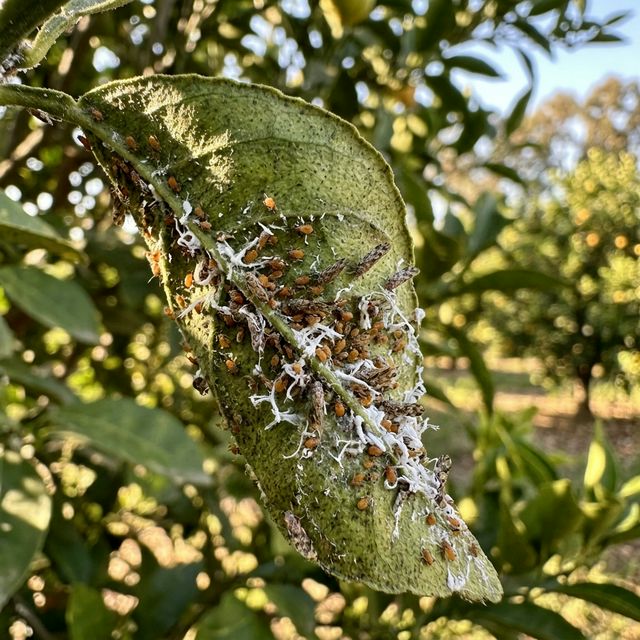
Insecticidal Soap for Tomatoes
Tomatoes attract aphids, whiteflies, and hornworms. Insecticidal soap handles the first two safely without harming fruit. Here's the tomato-specific guide.
 guides
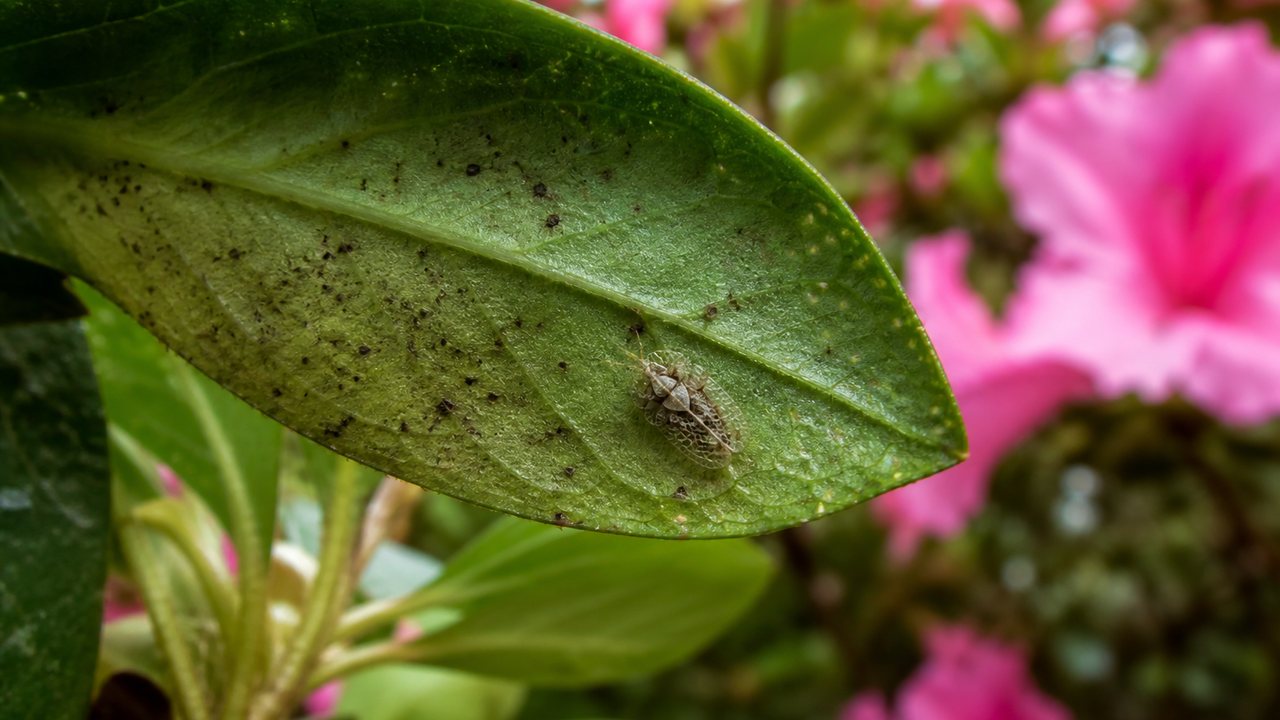
Insecticidal Soap for Lace Bugs: Underside Spray Timing That Actually Works
Azalea lace bugs live on the leaf underside; boxwood hedges next to them usually have mites or leafminers. Soap only works if you wet that underside at first nymph hatch, then again in 7–10 days.
 guides
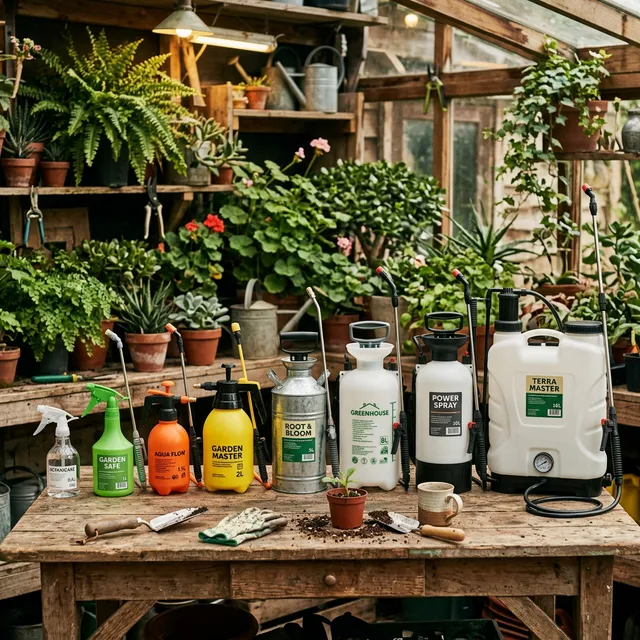
Best Garden Sprayers for Insecticidal Soap
A 1-gallon pump beats a trigger bottle once a bed needs underside coverage. Hose-end sprayers cannot hold a safe 1% soap mix.