Dawn Dish Soap Insecticidal Spray
Can you use Dawn dish soap as insecticidal spray? Here's a working recipe, the risks, and why castile soap is a safer long-term choice.
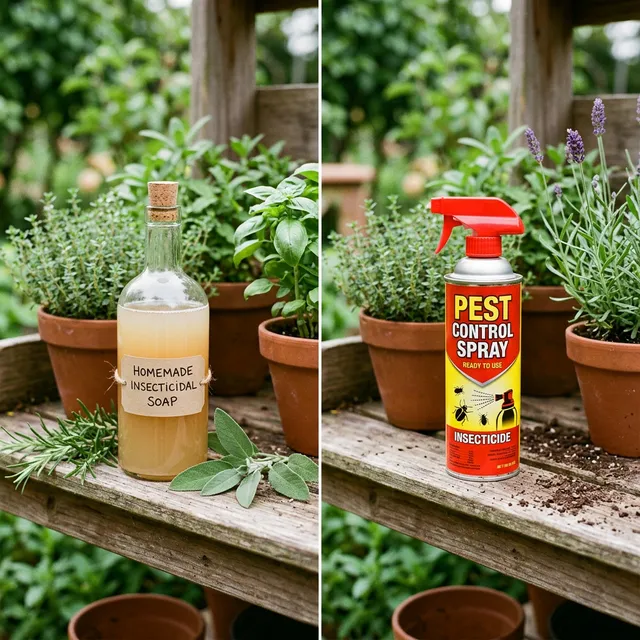
Let’s address the elephant in the room: Dawn dish soap works as an insecticidal spray. It kills aphids, whiteflies, and other soft-bodied pests on contact, just like castile soap does.
But, and this is a big but, it comes with real risks that most gardening blogs conveniently omit. I’ll give you the recipe, the honest risks, and then explain why I recommend castile soap for regular use instead.
The Dawn Insecticidal Soap Recipe
Use Dawn Original (the blue bottle) only. Not Dawn Ultra, not Dawn Platinum, not Dawn with Oxi. The original formula has fewer additives.
Ingredients
- 1 teaspoon Dawn Original dish soap
- 1 quart (32 oz) water, distilled preferred
- 1 teaspoon vegetable oil (optional, improves coverage)
Mixing Instructions
- Fill a clean spray bottle with water
- Add Dawn soap slowly
- If using oil, add it last
- Swirl gently, don’t shake (Dawn makes a lot of foam)
Application
- Spray leaf undersides and tops until dripping
- Apply early morning or evening, never in direct sun
- Reapply every 5-7 days if needed
⚠️ Why I Don’t Recommend Dawn for Regular Use
Dawn-as-garden-spray shows up in a lot of kitchen advice. Extension pages and gardener reports keep pointing at the same problems, which is why this page is a last-resort warning — not a formula the Garden Soap Team copies.
Problem 1: Leaf Damage
Dawn is a detergent, not true soap. It contains surfactants (sodium lauryl sulfate) designed to cut grease on your dinner plates. On plant leaves, those same surfactants strip the natural waxy cuticle that protects against sun damage and water loss.
Typical reports after repeated Dawn sprays include:
- Leaves turning dull and matte (loss of wax)
- Increased sunburn on sprayed leaves
- New growth appeared wilted even with adequate water
Problem 2: Hidden Additives
Dawn Original contains:
- Fragrances, can irritate sensitive plants
- Dyes, unnecessary chemical exposure
- pH buffers, designed for dishes, not plant tissue
- Methylisothiazolinone, a preservative that’s irritating to skin and potentially harmful to soil organisms
None of these appear in pure castile soap.
Problem 3: Concentration Sensitivity
With Dawn, the margin between “effective” and “damaging” is razor thin. Castile soap gives you much more room for error:
| Factor | Dawn | Castile Soap |
|---|---|---|
| Safe concentration | 0.5-1 tsp/qt | 1-2 tbsp/qt |
| Margin for error | Very narrow | Wide |
| Repeat application risk | High | Low |
| Plant wax damage | Significant | Minimal |
| Residue on edibles | Contains additives | Food-safe |
When Dawn Makes Sense
I’ll concede there are situations where Dawn is a reasonable choice:
- Emergency treatment, you have an aphid explosion and no castile soap on hand
- One-time use, a single application on hardy plants (not repeated)
- Non-edible plants, ornamentals where food safety isn’t a concern
- Budget constraints, Dawn costs less than castile soap initially (though castile makes more spray per dollar)
The Better Alternative
For the same mixing effort and better results, switch to pure castile soap:
- Same pest-killing action (potassium salts of fatty acids)
- No detergent chemicals on your food plants
- More forgiving concentration, harder to over-apply
- Safe for repeated use throughout the growing season
See our Basic Castile Soap Spray recipe, it takes the same 5 minutes to mix.
Bottom Line
Dawn works in a pinch. Use the recipe above if it’s all you have. But if you’re planning to spray regularly (and you will need to, soap spray requires multiple applications), invest in a bottle of castile soap. Your plants will thank you, and your vegetables won’t carry detergent residue to the dinner table.
Frequently Asked Questions
Why does everyone recommend Dawn specifically? Dawn became the go-to garden hack mostly because of marketing: it’s the soap people already have under their kitchen sink. It also got famous for cleaning oil off wildlife after oil spills, which gave it a nature-friendly reputation. But cleaning oil off feathers and treating plants are very different applications.
Can I use other dish soap brands? Technically, any liquid dish detergent works the same way. But all dish detergents carry the same risks as Dawn: they’re detergents with additives, not true soaps. If you’re going to buy something specifically for your garden, buy castile soap instead.
What concentration of Dawn is safe? Use no more than 1 teaspoon per quart of water. Many blogs suggest 1-2 tablespoons, which is far too concentrated and will almost certainly damage your plants. Err on the side of too dilute rather than too strong.
Can I use Dawn on vegetables? I don’t recommend it. While the residue washes off, Dawn contains synthetic fragrances, dyes, and preservatives that have no reason to be near your food. Castile soap is food-grade and a much safer option for anything you plan to eat.
What if Dawn is all I have and the pests are bad? Use it once at the ratio above. Then order a bottle of Dr. Bronner’s or another pure castile soap for future treatments. A single Dawn application on healthy plants rarely causes permanent damage. Repeated use is where the problems start.
 ✓
✓ The Garden Soap Team writes every recipe and guide on this site. Formulas follow published horticultural guidance — university extension resources, the UC IPM program, and OMRI standards — and we cross-check concentrations and plant-safety warnings against documented gardener experience before publishing. No harsh chemicals, no guesswork passed off as expertise.
📚 Related Articles
 recipes
Basic Castile Insecticidal Soap Spray
The simplest and most effective homemade insecticidal soap recipe using pure castile soap. Works on aphids, whiteflies, and spider mites.
 guides
Best Soap for Insecticidal Spray (and What to Avoid)
True castile vs dish detergent: unscented liquid soap at 1 tablespoon per quart. Dawn and “ultra” bottles strip leaf wax.
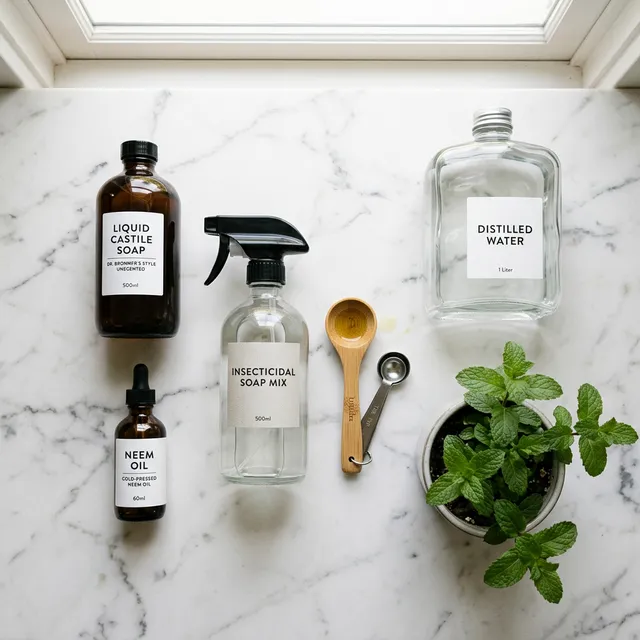 guides
How to Make Insecticidal Soap at Home
Core 3-ingredient method: 1 tablespoon unscented castile per quart, leaf-underside coverage, and the mixing mistakes that burn plants.